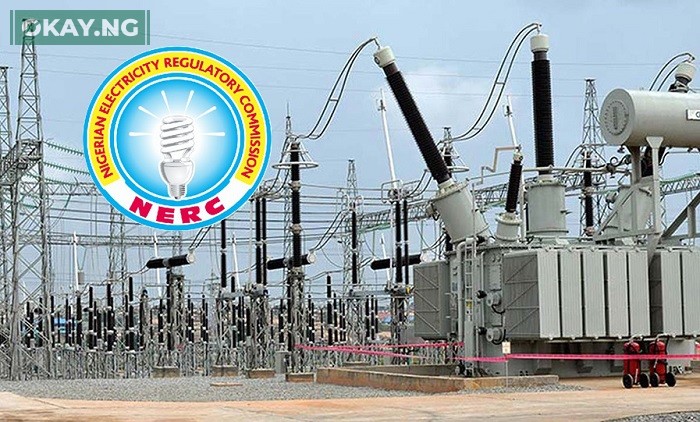
The Nigerian Electricity Regulatory Commission (NERC) has issued a firm deadline: state electricity regulatory commissions must fully assume oversight of their respective electricity markets by July 2025, in a significant move towards decentralizing Nigeria’s power sector. This directive, revealed in a public notice concerning the transfer of regulatory oversight to Kogi State, underscores the Commission’s commitment to implementing the Electricity Act 2023, which empowers states to participate actively in electricity generation, transmission, and distribution.
To date, NERC has issued orders transferring regulatory oversight to ten states, including Lagos, Enugu, Ondo, Ekiti, Kogi, Oyo, Imo, Edo, Niger, and Ogun. While some states have already embraced their newfound regulatory authority, others are racing against the clock to meet the 2025 deadline. “While some have fully taken charge, the others have up till July 2025 to fully take over the oversight in their respective states,” NERC stated, emphasizing the urgency of the transition.
The Commission recently confirmed the readiness of Enugu, Ekiti, Ondo, and Imo states to manage their electricity infrastructure, marking a critical milestone in the transfer process. This move aligns with the Electricity Act 2023, signed by President Bola Ahmed Tinubu in February 2024, which aims to foster greater state and individual participation in the power sector.
A pivotal aspect of this transition is the requirement for states intending to regulate their intrastate electricity markets to formally notify NERC and request the transfer of regulatory authority. As highlighted in the case of Kogi State, the Kogi State Electricity Regulatory Commission (KSERC) has now officially taken over oversight, demonstrating the practical application of the Act’s provisions. “Kogi State Electricity Regulatory Commission (KSERC) has formally taken over oversight of the electricity market in the state in line with the provisions of the Electricity Act 2023,” NERC confirmed.
During a meeting in Abuja, NERC Chairman Sanusi Garba assured that the Commission remains committed to supporting KSERC and other state regulators. “NERC will keep an open door to assist KSERC in their information need to support their seamless operation,” Garba stated, emphasizing the importance of collaboration during this transitional phase.
Human Angle and Implication Analysis:
For many Nigerians, the promise of decentralized electricity regulation offers a glimmer of hope amidst persistent power shortages and unreliable service. The emotional toll of frequent blackouts and the economic disruption they cause are well-documented. By empowering states to manage their own electricity markets, the government aims to foster localized solutions that address the unique challenges faced by each region. This move potentially can improve energy access for rural and underserved areas, thereby stimulating local economies.
However, the success of this decentralization hinges on the capacity and readiness of state governments to effectively manage their electricity sectors. Issues such as funding, technical expertise, and regulatory frameworks must be addressed to ensure a smooth transition. As I consider the implications, I recognize that the potential for improved service delivery is significant, but it will require sustained effort and collaboration between NERC and state regulators.
The Electricity Act 2023 also opens the door to increased private sector participation, potentially attracting investments in renewable energy and innovative technologies. According to the World Bank, “Improved access to electricity is critical for economic growth and poverty reduction.” Therefore, the successful implementation of this Act could have far-reaching implications for Nigeria’s development trajectory.
The 2025 deadline serves as a crucial catalyst, urging states to accelerate their preparations and embrace their new regulatory responsibilities. As we move forward, monitoring the progress of these state regulators and their impact on electricity access will be essential.