Lagos State is spearheading a call for a consolidated national strategy to tackle Nigeria’s deepening food crisis, proposing a three-pronged approach aimed at achieving sustainable food security across the nation. This initiative comes as 31.8 million Nigerians grapple with acute food scarcity, a pressing issue that demands urgent and coordinated action.
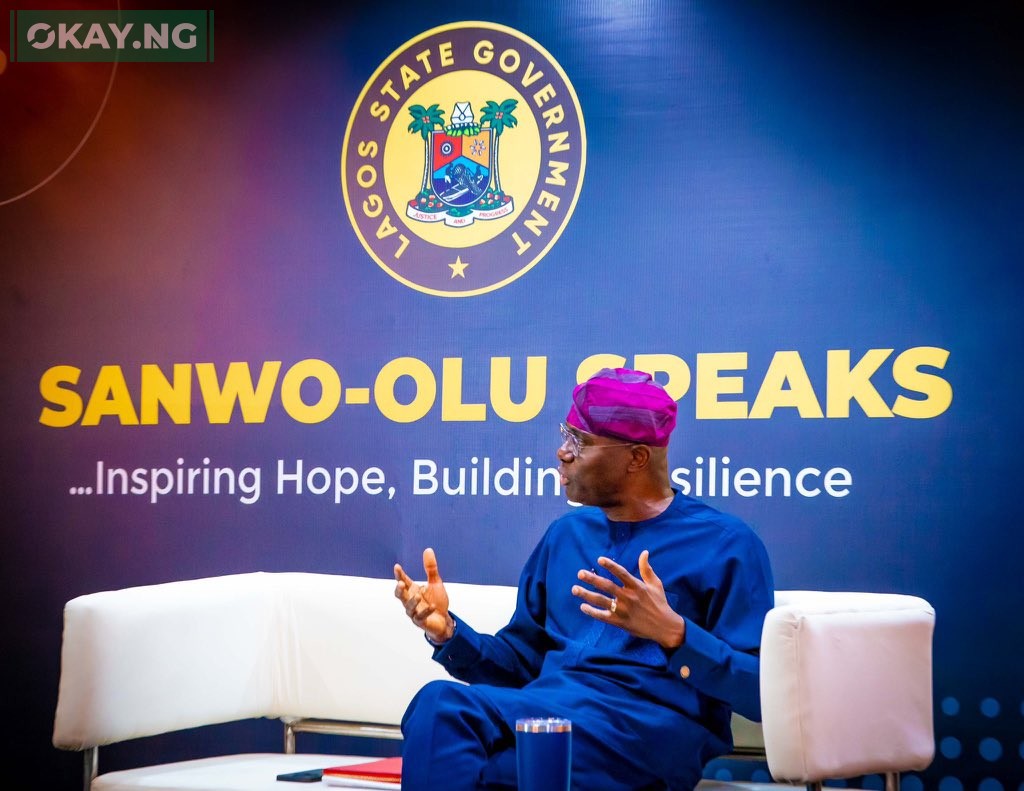
Speaking at the BusinessDay Future of Agriculture Conference, themed “Moving Nigeria from scarcity to food security,” Abisola Olusanya, Lagos State Commissioner for Agriculture and Food Systems, articulated Governor Babajide Sanwo-Olu’s vision for a unified front. The heart of this strategy lies in fostering strategic partnerships between subnational governments, federal authorities, and private sector players.
“We need a ‘Feed Nigeria Pact,'” Olusanya outlined, emphasizing the necessity of subnational alliances. This first pillar seeks to harmonize regional agricultural strengths into a cohesive national food security framework. “Imagine, if each state leveraged its unique agricultural advantages, we could significantly boost our national output,” I considered, understanding the potential for collective impact.
The second pillar focuses on federal support for rural infrastructure development. “We urge the federal government to prioritise development of rural infrastructure, which is crucial for enhancing agricultural productivity and connectivity,” the governor stated. This call underscores the critical role of logistics and accessibility in ensuring that food reaches markets efficiently. Furthermore, Sanwo-Olu proposed tax incentives for agro-processors, aiming to reduce operational costs and enhance food affordability.
The third pillar champions private sector mobilization, highlighting the transformative potential of agrotech innovation and modern supply chain logistics. This approach aims to boost crop yields, minimize waste, and create entrepreneurial opportunities, ensuring “food reaches all tables across Nigeria.”
Read Also: Nigeria’s Food Inflation Surges to 39.84% as Core Inflation Hits 29.28% in December 2024
Lagos State has already implemented several initiatives to mitigate food scarcity, including the Ounje Eko food market, which offers discounted essential items, and the Eko Flavours Project, promoting local culinary talent. Additionally, programmes like Agrithon and the Agri-Innovation Club are fostering agricultural innovation and entrepreneurship.
However, market access remains a significant challenge. Traditional food hubs like Ido and Oyingbo face structural inefficiencies that impede efficient food distribution, necessitating systemic reforms. Frank Aigbogun, publisher of BusinessDay, acknowledged the country’s vast agricultural potential, noting, “We can go beyond being food sufficient to becoming a key player in the area of food production.” He highlighted the urgent need to reduce post-harvest losses, which currently account for approximately 40% of food waste.
The implications of this crisis extend beyond mere statistics. For many Nigerians, food scarcity translates to daily struggles, impacting health, education, and social stability. The emotional toll of hunger is immeasurable, and the urgency to address this issue is palpable. The state’s agriculture and food systems roadmap, launched in 2021, provides a foundation for these interventions. Yet, sustained success hinges on collective action from all stakeholders.
As we navigate this complex landscape, it’s clear that a unified, strategic approach is essential. The “Feed Nigeria Pact” proposed by Lagos State offers a promising framework, but its success will depend on the commitment and collaboration of all involved. The goal is not just to increase production but to ensure that every Nigerian has access to affordable, nutritious food.