



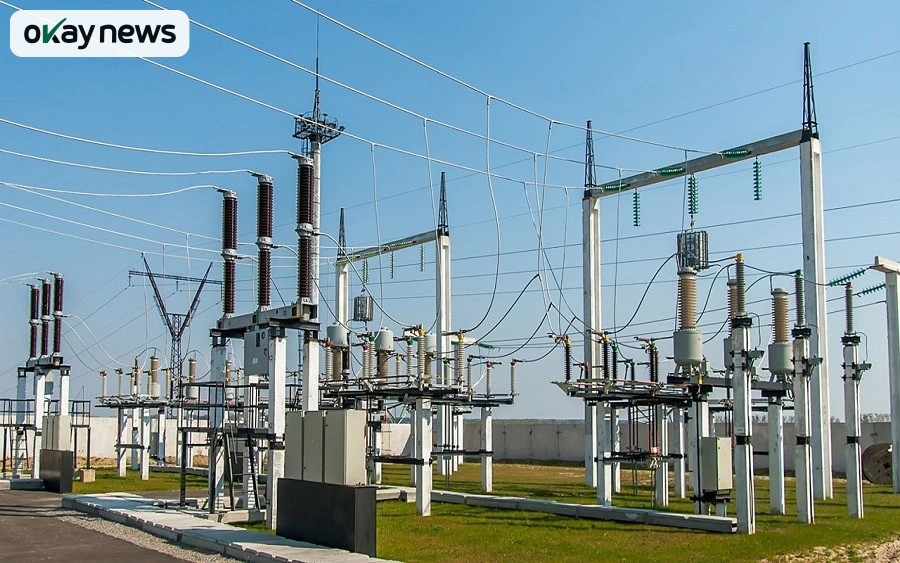
Nigeria’s electricity industry is trapped in a regulatory deadlock that is worsening nationwide power shortages and discouraging critical investment. Five months after the exit of Sanusi Garba, former chairman of the Nigerian Electricity Regulatory Commission (NERC), the federal government has yet to appoint a confirmed successor, leaving the sector without firm leadership at a pivotal moment.
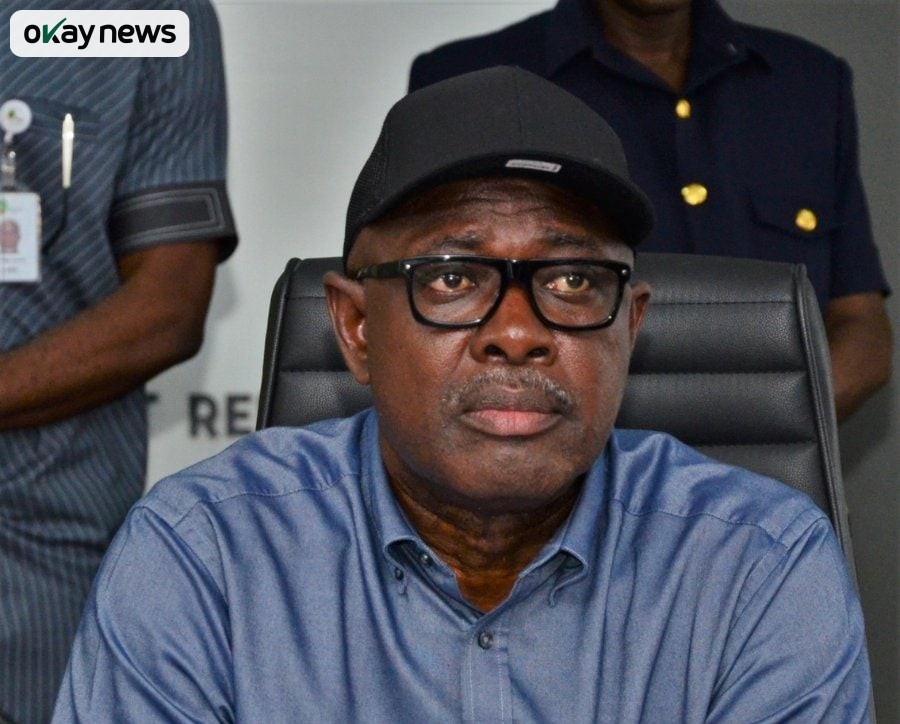
The stalled leadership comes as Bayo Adelabu, Nigeria’s Minister of Power, openly pursues his 2027 bid for the Oyo State governorship. His political ambition has intensified concerns that the ministry lacks full commitment to stabilising the country’s failing electricity system.
The impact is severe. Analysts warn that both the vacant NERC chairmanship and the minister’s divided focus have created deep uncertainty in a sector requiring long-term policy continuity and more than $30 billion in private investment to meet basic national demand. Industry expert Adebayo Adegbemle said the prolonged vacancy sends damaging signals to global investors, adding that unresolved leadership at this level creates ripple effects the government may struggle to manage.
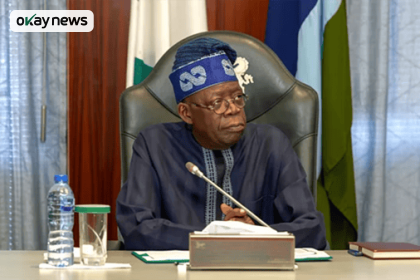
President Bola Tinubu nominated Abdullahi Ramat to replace Garba in August 2025, but the Senate continues to delay confirmation. The Electricity Act 2023 mandates that vacancies in NERC leadership be filled within three weeks, a requirement now exceeded by several months. Lawmakers are said to be scrutinising Ramat’s qualifications and conduct, prompting further delays.
Without a confirmed chairman, crucial decisions on tariffs, new licences, and regulatory enforcement remain uncertain. Power-sector analyst Lanre Elatuyi warned that NESI’s stability depends on strong oversight, which the current transitional arrangement cannot guarantee.
Compounding this instability is Minister Adelabu’s active political campaigning. His declaration of intention to contest the Oyo governorship signals a divided agenda during a period when the power sector requires undivided focus. Analysts argue that leadership roles in the electricity industry cannot serve as stepping stones to political office, especially when the country remains dependent on generators and suffers chronic outages.
The broader consequences are already evident. Despite limited upgrades in grid capacity, many Nigerians still receive under six hours of power daily. Businesses continue to rely on diesel generators, pushing production costs up and reducing Nigeria’s global competitiveness. Standard Bank estimates that the economy loses $26 billion annually due to power shortages.
Experts insist the federal government must restore credibility by filling the NERC leadership role immediately and reinforcing regulatory stability. They note that internal promotion of experienced commissioners could provide continuity and rebuild investor confidence.
For millions of households and businesses, persistent leadership gaps translate directly into more darkness.



, the federal government has yet to appoint a confirmed successor, leaving the sector without firm leadership at a pivotal moment.)