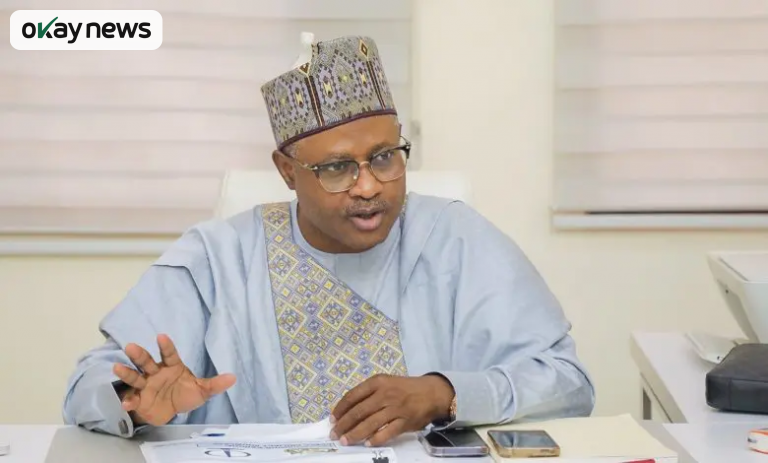
Governor Uba Sani of Kaduna State, in northern Nigeria, has presented a N985.9bn appropriation bill for 2026 to the Kaduna State House of Assembly. He said the budget is designed to reinforce ongoing gains in security, infrastructure, education, agriculture and rural development.
He said the proposal was developed through extensive consultations with traditional leaders, civil society groups, youth and women associations, business groups and vulnerable communities across the state. Inputs from farmers, traders, teachers and artisans shaped the framework, which he said strengthened accountability.
Reviewing 2025, he said the state recorded notable progress despite reduced federal allocations and persistent security concerns. He said improved cooperation with federal security agencies boosted operations against banditry and kidnappings. He added that the Kaduna Peace Model helped reopen farmlands and restore schooling in areas once affected by conflict.
He said 140 road projects covering more than 1,300 kilometres are under construction, with 64 completed. He described the projects as opening new economic routes and reconnecting long-neglected communities. He said the state’s transport reforms have advanced, citing the Bus Rapid Transit system, CNG-powered buses and a 24-kilometre dedicated corridor.
He said the Interstate Bus Terminal in Kakuri has reached 75 percent completion, while subsidised transport has saved residents more than N500m through free and discounted rides. He added that the Kaduna Light Rail Project is progressing across its planned corridors.
He said more than 500,000 hectares of abandoned farmlands have been reclaimed, and feeder roads, markets and extension services restored to support food production statewide. He said the government reopened 535 schools, returned more than 300,000 children to class and reduced tertiary fees by 40 percent. He listed the construction and renovation of more than 1,900 classrooms and training for 33,000 teachers.
He said the state has upgraded all 255 primary healthcare centres, renovated general hospitals, commissioned a 300-bed specialist hospital and improved emergency services. He added that N1bn was set aside to insure vulnerable households.
He said investments in vocational training expanded through a new skills development institute, partnerships with global technology firms and support for artisans across the state. He said agricultural investment rose sharply, enabling the distribution of more than 900 trucks of fertiliser and the expansion of mechanisation and irrigation.
He said the AfDB-supported agro-industrial programme is reshaping Kaduna into a regional hub, supported by quality assurance systems that help farmers reach export markets. Presenting the financial breakdown, he said capital spending accounts for 71 percent of the proposed N985.9bn budget. He said education and infrastructure have 25 percent each, followed by health, agriculture, security and social development.
He said every ward will continue to receive N100m for community-selected projects through Ward Development Committees. He described the 2026 plan as a pathway to sustained progress across all local government areas.
The Speaker of the Kaduna Assembly, Yusuf Liman, said the proposal aligns with development priorities and strengthens both rural and urban growth. He said legislators will carry out a transparent review and continue cooperation with the executive.