



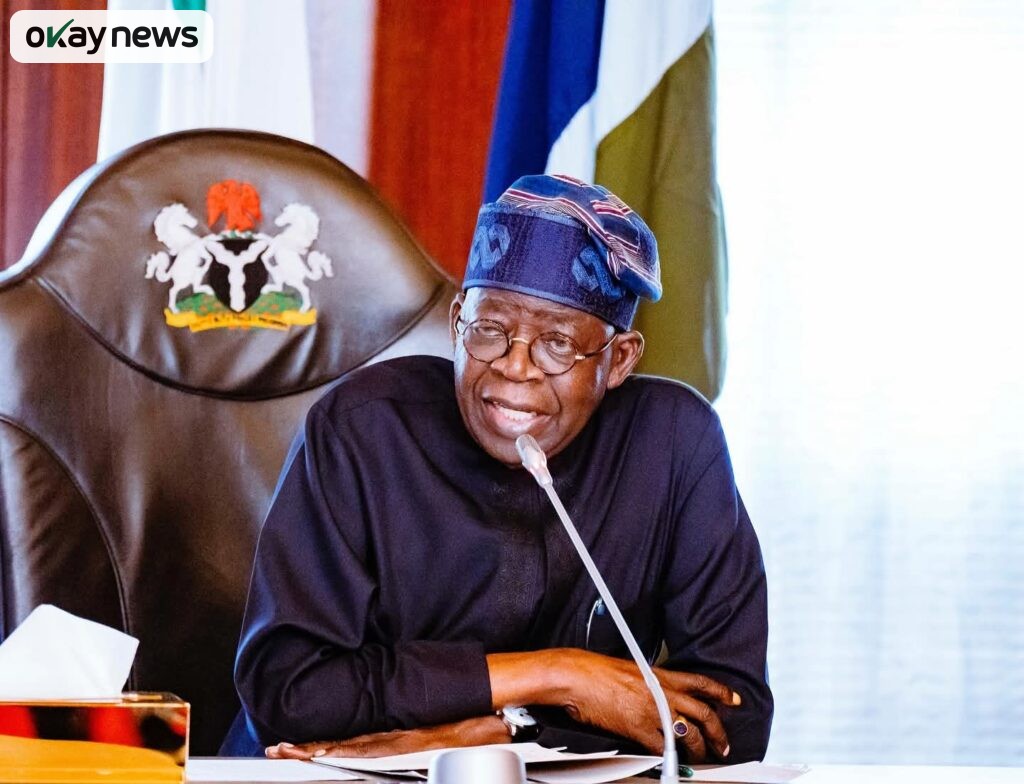
Nigeria’s renewable energy sector is gaining significant momentum as part of President Bola Ahmed Tinubu‘s Renewed Hope Agenda. The Energy Commission of Nigeria (ECN) has emerged as a central force in driving the country’s energy transition.
Okay News reports that ECN Director-General Abdullahi Mustapha has revitalised the commission. His leadership elevated it from relative obscurity to prominence domestically and internationally.
Frequent national grid collapses prompted intensified focus on alternatives. ECN promotes solar, wind, and hydropower to complement the centralised system.
A Renewable Energy Roadmap for Nigeria, developed with the International Renewable Energy Agency (IRENA), guides the strategy. It prioritises decentralised systems for rural and semi-urban areas.
These solutions enhance electricity access, boost local economies, and support essential services like healthcare and education.
Mustapha unveiled the updated National Energy Policy and Master Plan. It targets expanded renewable generation and accelerated transition.
Stakeholders praise his strategic direction. President Tinubu’s appointment aligns with goals for energy security and growth.
Mustapha represented Nigeria at global forums. These include COP28 in Dubai, the G20 Energy Summit in Brazil, and the Africa Energy Indaba in South Africa.
He advocated Africa’s energy transition priorities on international stages.
Domestically, ECN launched initiatives like a solar PV assembly plant in Enugu State, southeastern Nigeria. Another is the Barefoot Renewable Energy College in Kogi State, central Nigeria.
These projects build local manufacturing and training capacity. They expand clean energy reach.
Strong partnerships underpin progress. Collaboration spans local institutions and international organisations.
The administration’s renewable drive demonstrates clear policy commitment. ECN’s role under Mustapha shapes a sustainable energy landscape.
This momentum supports Nigeria’s shift from fossil fuel dependence. It fosters resilient, inclusive power infrastructure for Africa’s most populous nation.



 has emerged as a central force in driving the country's energy transition.)