



The Petroleum Products Retail Outlets Owners Association of Nigeria (PETROAN) has urged the Federal Government to privatise Nigeria’s four state-owned refineries by the first quarter of 2026. The move aims to improve efficiency and reduce fiscal burdens.
Okay News reports that PETROAN National President Billy Gillis-Harry issued the call in a statement. Transparent privatisation would attract private capital and technical expertise.
It would align operations with global best practices. Sustained public funding has failed to deliver optimal results over years.
“PETROAN renewed its call for the privatisation of Nigeria’s four state-owned refineries, advocating that the process be transparently concluded by the first quarter of 2026,” the statement read.
“Timely privatisation will improve efficiency, encourage competition in the sector, eliminate recurrent fiscal burdens on government, attract private capital and technical expertise, and ensure sustainable refinery operations,” it added.
Privatisation would foster energy security and downstream stability. It supports job creation and foreign exchange conservation.
Increased domestic capacity complements upstream investments. It reduces import dependence.
The 2026 Budget assumes crude production of 1.84 million barrels daily and oil price of $64–65 per barrel. This framework enables key reforms.
PETROAN linked success to infrastructure security, host community engagement under the Petroleum Industry Act, and funded regulators.
Investor confidence grows with decisive action. Resources free for security and infrastructure priorities.
The refineries—Port Harcourt, Warri, and Kaduna—remain largely unproductive despite billions spent on rehabilitation.
Recent shutdowns followed brief operations. Stakeholders including manufacturers view them as economic drains.
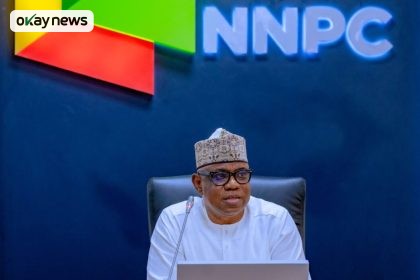
NNPC Limited assesses viability for overhaul or repurposing. New GCEO Bayo Ojulari opposes immediate sale, expressing revival confidence.
PETROAN’s position reflects retail sector perspectives. It seeks competitive, reliable domestic supply.
Privatisation debates continue amid efforts to stabilise Nigeria’s petroleum downstream. Outcomes impact fuel availability and pricing nationwide.

 has urged the Federal Government to privatise Nigeria's four state-owned refineries by the first quarter of 2026. The move aims to improve efficiency and reduce fiscal burdens.)