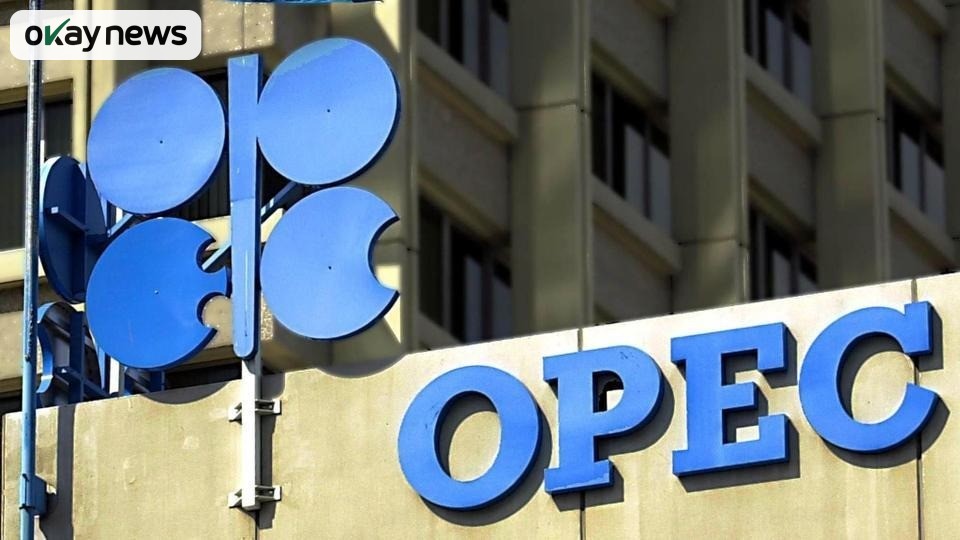
OPEC+ decided to maintain oil output at current levels during a brief meeting on Sunday, avoiding discussions on the political crises affecting some of its members, sources told Reuters.
Okay News reports that the eight participating countries — Saudi Arabia, Russia, UAE, Kazakhstan, Kuwait, Iraq, Algeria, and Oman — have agreed to pause further output hikes for January through March 2026, citing weak winter demand in the northern hemisphere.
The meeting came after oil prices fell more than 18% in 2025, marking the steepest annual drop since 2020, amid concerns over global oversupply and market volatility.
For Nigeria, the decision follows ongoing challenges in meeting its OPEC production quota of 1.5 million barrels per day, despite earlier indications that the country would seek a higher crude allocation.
Tensions between Saudi Arabia and the UAE have escalated over the Yemen conflict, straining relations between the former allies, while the U.S. removal of Venezuelan President Nicolas Maduro has added geopolitical uncertainty to global oil markets.
The eight-member group had previously increased output targets by about 2.9 million barrels per day in 2025, roughly 3% of global demand, in an effort to regain market share amid fluctuating prices.
Analysts note that Venezuela, with the world’s largest proven oil reserves, is unlikely to boost production meaningfully in the near term due to years of mismanagement and sanctions, even with promised U.S. investment in the sector.
OPEC+ has historically managed to prioritize market stability over internal political disputes, as seen during previous rifts such as the Iran–Iraq War, but ongoing crises in Russia, Iran, and Venezuela continue to pose risks to oil output and market balance.
The next official meeting of the full OPEC+ group is scheduled for February 1, 2026, when the members are expected to review production targets and market conditions.