


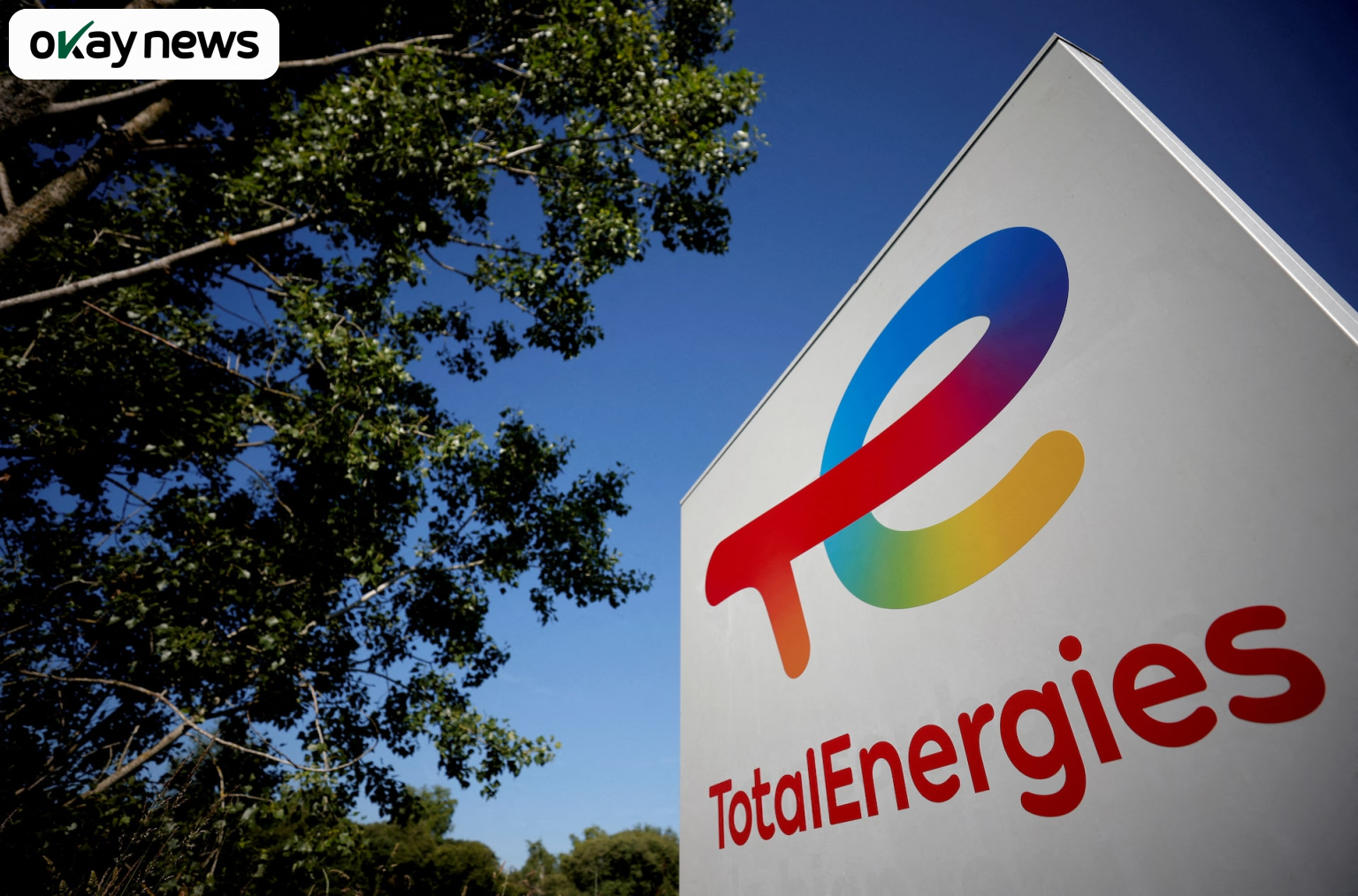
French energy giant TotalEnergies has officially relaunched its $20 billion liquefied natural gas (LNG) project in Mozambique after a five-year suspension due to jihadist violence.
The company’s Chief Executive, Patrick Pouyanné, announced the full restart at a ceremony attended by Mozambique’s President, Daniel Chapo, marking a significant milestone for the southern African nation’s energy sector.
The Mozambique LNG project, located in the northern Cabo Delgado province, was suspended following a deadly insurgent attack in 2021 that killed approximately 800 people. TotalEnergies had declared force majeure at the time, a clause freeing it from contractual obligations due to extraordinary circumstances. The force majeure was lifted in October 2025.
Okay News reports that the project’s revival is touted as the largest private investment in Africa’s energy infrastructure. It is expected to generate thousands of jobs and position Mozambique, a Southeast African nation, as a major global LNG exporter. President Chapo’s office stated the restart “reaffirms the confidence of international partners in Mozambique’s energy, institutional and human potential.”
Project Revival Amidst Security And Financial Concerns
The relaunch follows protracted negotiations over cost overruns linked to the five-year delay. TotalEnergies has reportedly sought approximately $4.5 billion in compensation from the Mozambican government. While large-scale attacks have subsided since 2021, the Cabo Delgado region continues to experience regular, smaller assaults on civilians and troops by jihadist insurgents linked to the Islamic State.
The insurgency, which began in 2017, has claimed over 6,200 lives according to the Armed Conflict Location & Event Data Project (ACLED). The improved security situation, backed by regional military support, has been crucial in enabling the project’s return. The investment is seen as vital for Mozambique’s economic development.
Environmental And Economic Criticisms Persist
Despite the government’s enthusiasm, the project faces criticism from environmental groups who label it a “climate bomb” due to the significant greenhouse gas emissions associated with large-scale fossil fuel extraction. Critics also argue that the economic benefits may not substantially improve the lives of ordinary Mozambicans.
According to World Bank data from 2022, over 80 per cent of Mozambique’s population lived below the poverty line of three dollars per day. The challenge for the government will be to ensure that revenues from the LNG project translate into widespread economic development and poverty reduction.
The restart signals a major vote of confidence in Mozambique’s stability and underscores the continued global demand for natural gas as a transitional energy source. It also highlights the complex interplay between large-scale resource extraction, security, and socio-economic development in frontier markets.

 project in Mozambique after a five-year suspension due to jihadist violence.)