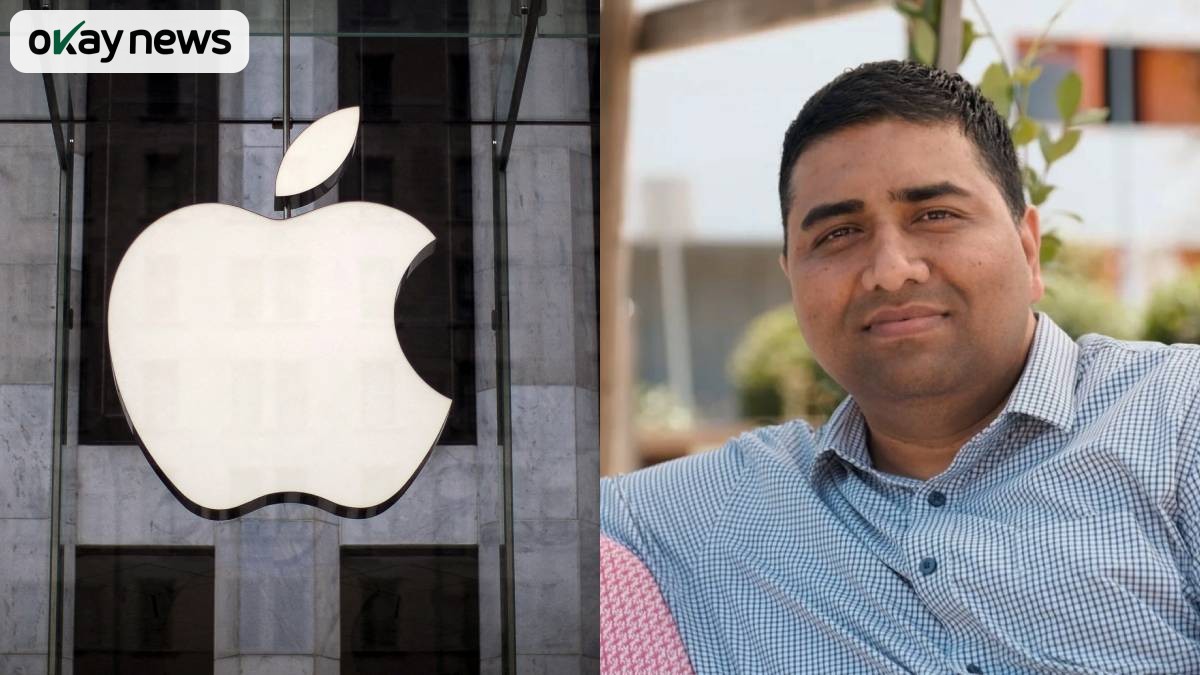
Apple has appointed a new head of Artificial Intelligence following the announcement that longtime AI chief John Giannandrea is stepping down after seven years with the company. The move marks one of Apple’s most significant internal shake-ups in recent years as the tech giant attempts to regain momentum in the global AI race.
In an announcement on Monday, Apple confirmed that Amar Subramanya, a senior Microsoft executive with 16 years of prior experience at Google, will replace Giannandrea. Subramanya most recently oversaw engineering for the Gemini Assistant, giving him deep insight into the company’s fiercest competitors.
Giannandrea, who joined Apple in 2018 after leading Machine Intelligence and Search at Google, will remain as an adviser through the spring before officially departing.
While Apple framed the transition diplomatically, the move follows months of turbulence surrounding Apple Intelligence, the company’s flagship AI initiative unveiled in 2024. Its rollout was marred by embarrassing errors, including a notification-summarization feature that produced false news headlines—prompting complaints from media houses such as the BBC.
A major Bloomberg investigation earlier this year revealed deep organizational dysfunction within Apple’s AI division, citing internal miscommunication, leadership disputes, and an exodus of researchers to rivals like Google, Meta, and OpenAI. According to the report, CEO Tim Cook had already stripped Giannandrea of oversight over Siri and the company’s secretive robotics projects as early as March 2025.
The most damaging setback came in April, when a long-promised overhaul of Siri collapsed weeks before launch. Apple’s own software chief, Craig Federighi, reportedly found that key features were not functioning during a personal test, forcing an indefinite delay. The fiasco triggered class-action lawsuits from iPhone 16 buyers who were promised next-generation AI capabilities.
Since then, Apple has reportedly turned to one of its oldest rivals—Google—planning to use the Gemini AI model to power the next iteration of Siri. The development underscores how far the company has fallen behind competitors that have invested heavily in massive cloud-based AI models.
Subramanya will now report directly to Federighi, tasked with restoring confidence both inside and outside the company. His arrival is widely seen as a strategic—and urgent—attempt by Apple to bridge its widening AI gap.
Apple has long prioritized on-device processing over the cloud-heavy models used by rivals, in a bid to maintain user privacy. While this approach avoids storing personal data, it also limits the size and sophistication of Apple’s AI systems. Critics argue the strategy has left the company years behind industry leaders.
Whether the new leadership can reverse that trajectory remains an open question.