


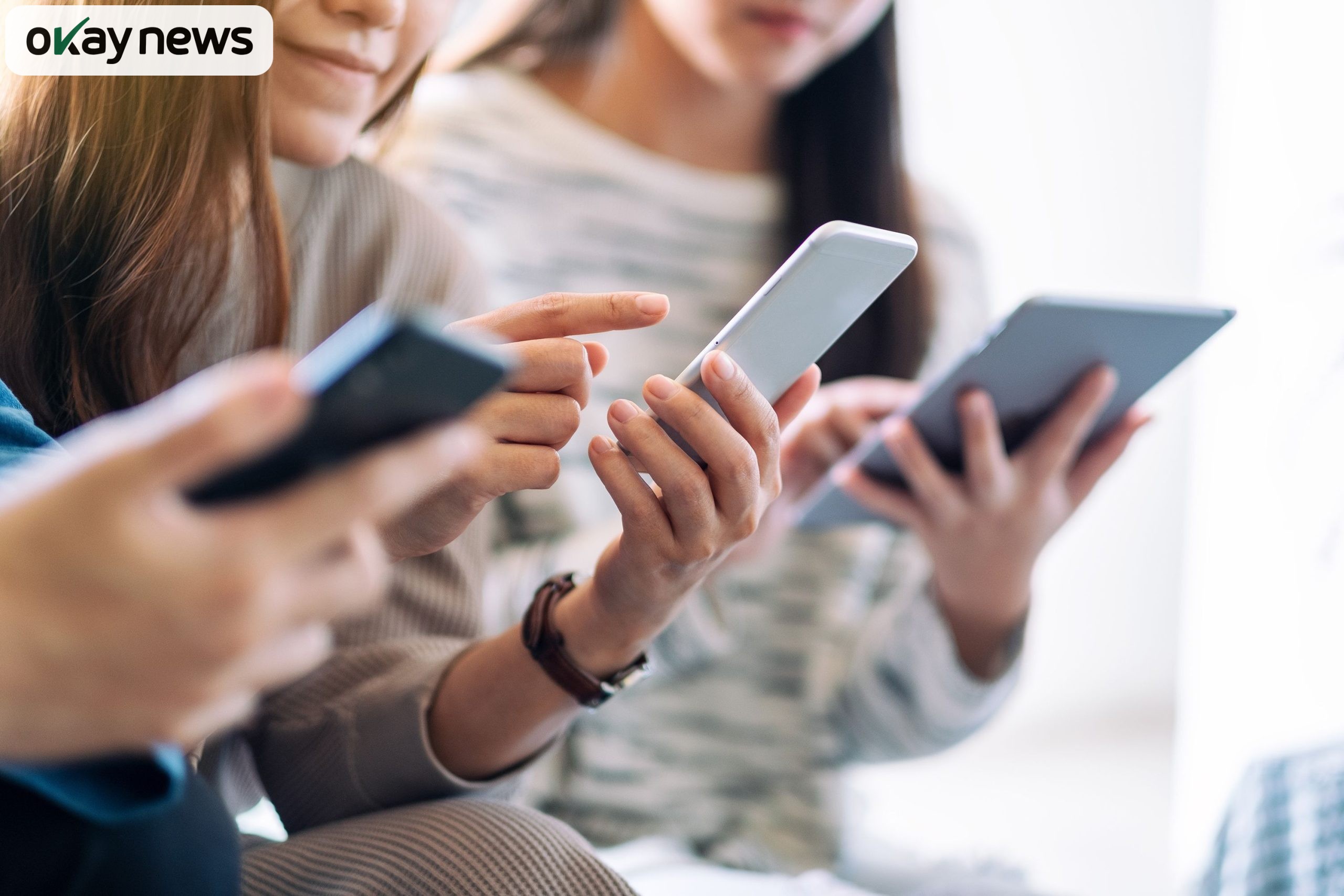
Australia on Wednesday became the first country to ban social media use for children under 16, ordering major platforms to block underage users or face heavy fines in a landmark move that is drawing global attention.
Under the new law, which took effect at midnight, ten major platforms — including TikTok, YouTube, Instagram and Facebook — must remove or restrict access to users below 16 or risk penalties of up to A$49.5 million ($33 million). The policy is being closely watched by governments considering similar measures.
Prime Minister Anthony Albanese hailed the move as “a proud day” for Australian families, calling it one of the most significant social and cultural reforms in decades. In a video message, he urged children to explore offline hobbies during the upcoming summer break, such as learning an instrument, joining a sport or reading more.
Reactions from young users were varied.
Some expressed anxiety about losing online communities, while others were indifferent.
“I’m not really that emotional about it… kind of neutral,” said 14-year-old Claire Ni.
Another teenager, Luna Dizon, 15, said she still had access to her accounts for now but feared “culture shock” once the ban is fully enforced.
TikTok alone deactivated about 200,000 accounts by Wednesday, with hundreds of thousands more expected to be removed in the coming days. Many of the estimated one million affected users posted farewell messages before losing access, with hashtags like #seeyouwhenim16 trending among teens.
The ban is a test case for how strongly governments can restrict access to platforms without infringing on speech or innovation. Countries such as Denmark, Malaysia and New Zealand have indicated they may study or emulate Australia’s model.
Officials say the move is driven by research linking heavy social media use among young teens to mental health issues, bullying, misinformation and body-image harms.
Julie Inman Grant, Australia’s eSafety Commissioner overseeing the rollout, said many American parents have expressed support for similar measures, telling Reuters they wished the U.S. had comparable protections.
Elon Musk’s X became the last of the major platforms to agree to the new rules, stating on its website: “It’s not our choice — it’s what the Australian law requires.”
Platforms will rely on a mix of age-inference tools, selfie-based age estimation, ID checks and linked bank information to verify users.
While companies say they earn little from advertising to under-16s, they warn the ban disrupts long-term growth by cutting off future users. Before the rollout, the government estimated that 86% of Australians aged 8–15 used social media.
Some young people argue the ban could isolate communities that rely on online spaces for support.
“It’s going to be worse for queer people or those with niche interests, because that’s the only way they find community,” said 14-year-old Annie Wang.
Others use social platforms to vent or seek help, raising concerns that the ban could have unintended mental-health consequences.