


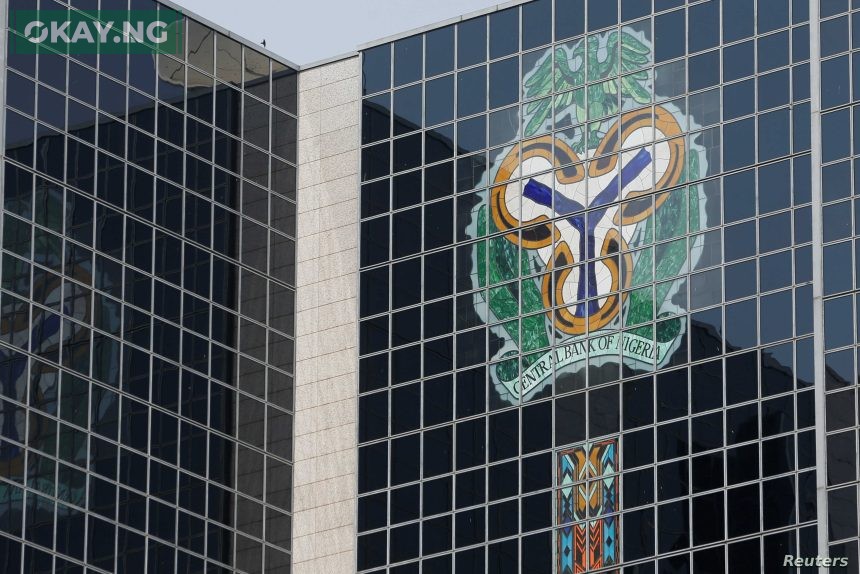
Nigeria’s deposit money banks (DMBs) placed more than N1.6 trillion with the Central Bank of Nigeria (CBN) through the Standing Deposit Facility (SDF), reflecting a surge in system liquidity between October 14 and 17, 2025.
Data from the CBN’s daily money market reports show that banks’ placements climbed from N1.48 trillion on October 14 to N1.61 trillion on October 17, marking one of the highest weekly deposit levels in months.
The liquidity boost was largely driven by N481.33 billion in Open Market Operation (OMO) repayments on October 14, which injected additional cash into the banking system. However, the CBN did not issue fresh OMO bills or conduct primary market operations during the week, a move analysts say aligns with its liquidity management strategy.
Despite the strong deposits, opening balances among banks and discount houses fell sharply, suggesting uneven liquidity distribution across the sector. Balances dropped from N472.75 billion on October 13 to N97.45 billion on October 17.
The Standing Lending Facility (SLF) window remained largely unused, except for a modest N500 million borrowing on October 14, underscoring the system’s overall cash surplus.
Meanwhile, matured government securities under the Primary Market Repayment rose sharply from N358.74 million on October 16 to N92.89 billion the following day, further reflecting settlement activity within the period.
Analysts attribute the high SDF placements to cautious risk management by banks amid tight monetary conditions and exchange rate volatility. The overnight lending rate stood at 24.88% as of October 16, offering attractive risk-free returns for idle funds.
While the liquidity build-up supports short-term stability, experts warn that continued preference for CBN deposits over private sector lending could restrict credit growth and slow economic recovery.
 placed more than N1.6 trillion with the Central Bank of Nigeria (CBN) through the Standing Deposit Facility (SDF), reflecting a surge in system liquidity between October 14 and 17, 2025.)