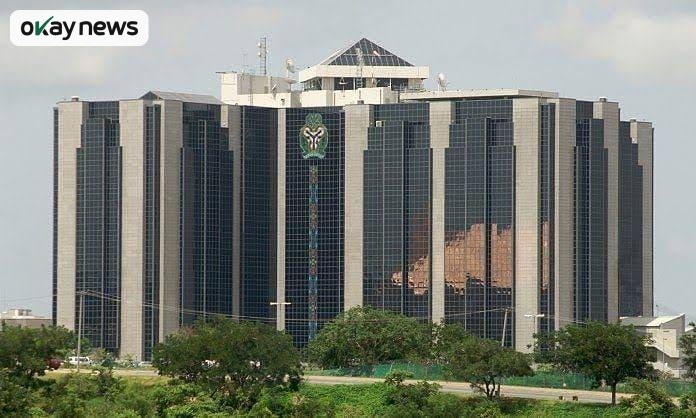
Abuja, Nigeria – Nigerian banks have raised 4.61 trillion naira in fresh capital under the Central Bank of Nigeria’s recapitalisation programme, with nearly 27 per cent coming from foreign investors, signalling renewed confidence in the country’s financial sector.
Okay News reports that the Central Bank of Nigeria disclosed the figures in a statement issued after Governor Olayemi Cardoso addressed the 4th Annual IMF/AFRITAC West 2 High Level Executive Forum on Financial Sector Regulation and Supervision in Abuja, noting that the capital mobilisation followed the launch of the Banking Sector Recapitalisation Programme in 2024 to strengthen banks amid ongoing macroeconomic reforms.
The regulator said Nigerian lenders attracted the 4.61 trillion naira even as they navigated fuel subsidy removal and exchange rate reforms, and added that the recapitalisation push has helped boost investor appetite and supported the expansion of Nigerian banks across other African markets.
According to the statement, the exercise is designed to make banks more resilient to economic shocks and better able to finance long term growth, and the latest tally represents an increase of about 560 billion naira over the 4.05 trillion naira in verified and approved capital the Central Bank of Nigeria reported in February 2026, ahead of the March 31 recapitalisation deadline.
Governor Cardoso used the forum to underline a tougher stance on corporate governance, saying the central bank now operates a zero tolerance policy for violations and has ended years of regulatory forbearance to reinforce accountability, tighten supervision and raise compliance standards in the industry.
He also revealed that the Central Bank of Nigeria has introduced measures to enforce credit discipline among major borrowers, including restrictions on banking services for large ticket customers with non performing loans, a move aimed at promoting financial integrity and deterring chronic default.
Beyond recapitalisation, the bank called for closer cooperation among African regulators as cross border banking and financial flows increase, arguing that greater coordination is needed to manage systemic risks and preserve stability in a more integrated regional market.
The statement reaffirmed the Central Bank of Nigeria’s commitment to orthodox monetary policy focused on restoring price stability and rebuilding policy credibility, and highlighted ongoing work to update fintech rules so that innovation in digital finance and artificial intelligence is balanced with financial system safety.
Officials from six African countries attended the high level forum, where discussions covered emerging threats such as climate related financial risks, cyber vulnerabilities and the regulatory challenges posed by rapid advances in financial technology.