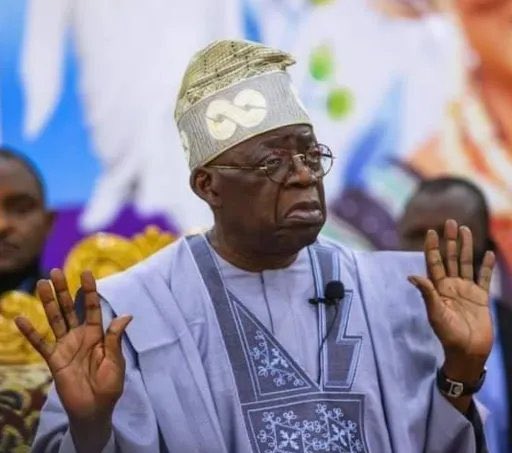
Abuja, NIGERIA — President Bola Ahmed Tinubu has robustly defended his administration’s reliance on external financing, asserting that debt is a legitimate tool for development as long as a nation remains committed to repayment.
Speaking in a video address on Wednesday, the President likened the stigma surrounding national debt to “leprosy,” arguing that strategic borrowing is a global necessity for funding critical infrastructure and stimulating economic growth.
The President’s remarks come just one day after the House of Representatives and the Senate approved his request for a $516.3 million (approx. ₦702.2 billion) loan from Deutsche Bank AG to fund the Sokoto–Badagry Super Highway.
Okay News reports that while opposition figures have raised alarms over Nigeria’s rising debt-to-GDP ratio, the President insists that the focus should remain on the hard work required to service these obligations through a expanded economic base.
Beyond economics, President Tinubu addressed the persistent security challenges facing the country, alleging that his political “enemies” are attempting to exploit insecurity to force his exit from office. Describing himself as a “stubborn politician,” the President dismissed calls for him to step aside, claiming that the pressure is a calculated attempt at political sabotage rather than a genuine critique of governance. He signaled his intent to confront these challenges head-on while officially declaring his bid for the 2027 presidential contest.
“I will campaign for my second term,” the President declared, confirming the strategic move made earlier this week when Hon. James Faleke purchased the APC nomination forms on his behalf.
This declaration follows related development on Wednesday, where the President also approved the release of ₦2 billion (approx. $1.47 million) for victims of the recent violence in Jos, Plateau State. He tasked local leaders with fostering “self-driven peace” to complement federal security efforts, emphasizing that his administration remains committed to both regional stability and national development despite the heated political climate.