


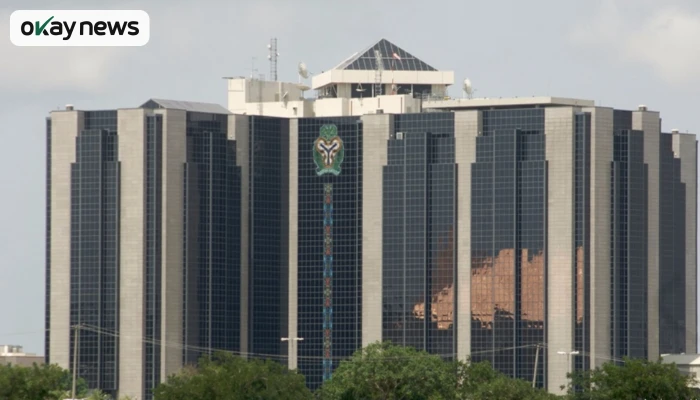
The Central Bank of Nigeria (CBN) reported the strongest demand for its ₦3.44 trillion Nigerian Treasury Bills (NTBills) at the primary market on Wednesday, the highest since December 2024.
Okay News reports that the CBN offered ₦1.15 trillion across three maturities at the Primary Market Auction (PMA): ₦150 billion for the 91-day, ₦200 billion for the 182-day, and ₦800 billion for the 364-day tenors.
Investors showed the largest interest in the 364-day bill, with demand four times the offer size.
However, the CBN allotted only ₦1.06 trillion across all maturities.
The last comparable demand was on December 4, 2024, when bids exceeded five trillion naira amid peak inflation and high interest rates.
Yields rose on short-tenured bills, while the 364-day softened slightly but remained attractive.
The 91-day yield increased to 16.50 per cent, and the 182-day true yield rose to 18.17 per cent from 17.99 per cent at the previous auction.
The 364-day true yield dipped to 22.49 per cent from 22.65 per cent.
The surge in yields stems from aggressive government borrowing and the CBN’s tightening monetary stance.
The 2026 fiscal year features a projected deficit of ₦23.85 trillion, with international markets costly for emerging economies, pushing the government to rely on domestic funding.
The Q1 2026 issuance calendar targets ₦7.55 trillion in borrowings, increasing supply and pushing yields higher as the government competes for liquidity.
The CBN is allowing rates to rise to combat inflation and stabilise the naira, with the one-year true yield above 22 per cent attracting Foreign Portfolio Investment (FPI) and mopping up excess liquidity.
This follows remarks by World Trade Organisation Director-General Dr Ngozi Okonjo-Iweala at Nigeria House during the World Economic Forum in Davos, advising deliberate targeting of global investors and supply chain relocations to reduce import dependence, deepen manufacturing, and drive job creation.
At Davos, Minister of Foreign Affairs Yusuf Tuggar urged investors to look beyond exaggerated security challenges, describing incidents as “isolated cases” influenced by regional instability in the Sahel and Libya.
“We are urging investors to treat us the same way they treat other countries,” Tuggar said.


 reported the strongest demand for its ₦3.44 trillion Nigerian Treasury Bills (NTBills) at the primary market on Wednesday, the highest since December 2024.)