


Abuja, Nigeria – The Central Bank of Nigeria (CBN) has warned that the rapid expansion of private digital payment platforms and stablecoins could threaten foreign exchange stability and trigger capital flow pressures in emerging markets.
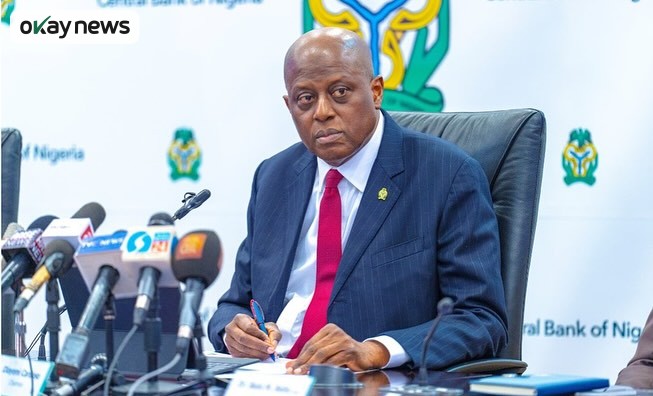
Okay News reports that CBN Governor Olayemi Cardoso issued the warning during a plenary speech at the G-24 Technical Group Meetings held on Thursday in Abuja. He noted that although digital payment systems present major opportunities for financial inclusion and operational efficiency, they also introduce structural vulnerabilities that require proactive regulatory oversight.
Cardoso said the growth of digital payment platforms and stablecoins presents both opportunities and systemic risks for emerging economies. He warned that without proper coordination, these innovations could weaken monetary control and destabilise foreign exchange markets.
The expansion of private digital payment platforms and stablecoins raises concerns about currency substitution and weakened monetary transmission, increased FX volatility and capital flow pressures, systemic importance of non-bank payment providers, and regulatory arbitrage and fragmentation, he stated.
The CBN Governor stressed that global regulatory alignment is critical to prevent fragmentation that could undermine developing economies’ ability to manage liquidity and exchange rate stability effectively. Without coordination, digital cross-border payments risk becoming fragmented across jurisdictions, entrenching dominant currencies and platforms, reducing interoperability, increasing costs, and undermining the ability of emerging markets to safeguard monetary sovereignty.
ALSO READ: Nigeria Hosts G-24 Technical Meeting as Wale Edun Sets Tone for Global Economic Talks
In her opening remarks, Dr Iyabo Masha, Director of the G-24 Secretariat, said global growth remains uneven across regions despite pockets of resilience. She explained that while some countries are driving momentum, overall expansion lacks the strength needed for inclusive transformation. The pattern across developing regions shows growth without the depth required to deliver long-term development gains.
Nigeria has witnessed a significant rise in digital payments adoption in recent years, reflecting broader efforts to deepen financial inclusion and modernise payment infrastructure. In October, the CBN announced that electronic payment transactions surged to N384 trillion in July 2025. The Nigeria Inter-Bank Settlement System is also exploring offline payment solutions to reach Nigerians with limited data access. The rapid scale of Nigeria’s digital payments ecosystem continues even as regulators weigh potential macroeconomic risks.
The G-24, an intergovernmental grouping of 29 developing countries, serves as a platform for member states to harmonise their stance on international economic governance. Founded about 54 years ago, the body continues to play a strategic role in shaping policy conversations affecting emerging and developing economies.


 has warned that the rapid expansion of private digital payment platforms and stablecoins could threaten foreign exchange stability and trigger capital flow pressures in emerging markets.)