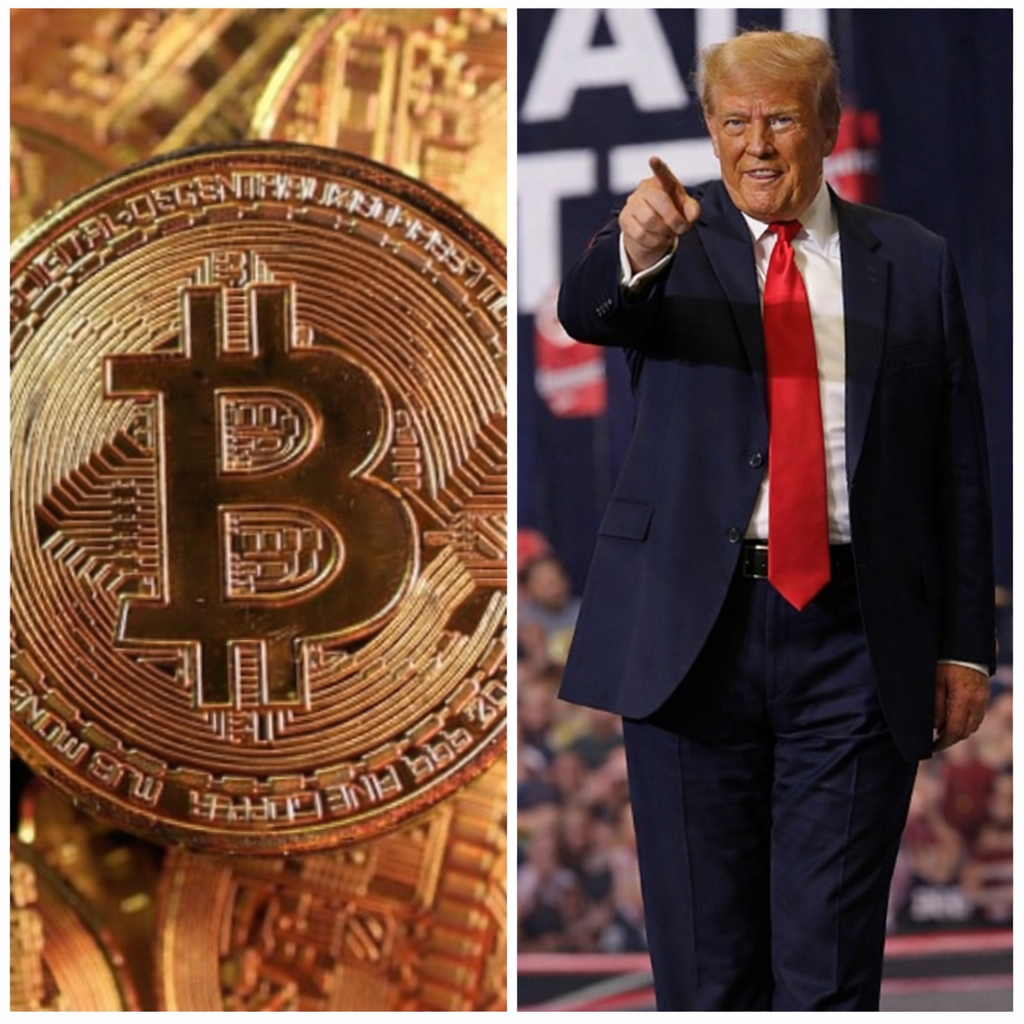
The global cryptocurrency market experienced a huge downturn on Monday, sending shockwaves through the digital asset community as geopolitical tensions flared between the United States and Europe. The sudden market contraction was triggered by aggressive trade rhetoric from the White House, prompting a wave of sell-offs that impacted major tokens and erased substantial value from the sector in a matter of hours.
Okay News gathered that a staggering $875 million was wiped out in crypto liquidations on January 19, 2026, as panic spread among traders. The market leader, Bitcoin, was not spared from the bearish sentiment, dropping by 3 percent to trade around the $92,000 mark. This sharp decline highlights the increasing sensitivity of digital currencies to macroeconomic news and international diplomatic disputes.
The catalyst for this financial instability was a fresh announcement from U.S. President Donald Trump regarding international trade policy. The President issued a stern threat to impose new tariffs on eight European nations, a move reportedly linked to the ongoing diplomatic friction concerning the strategic status of Greenland. This escalation raised fears of a renewed trade war, causing investors to retreat from riskier assets like cryptocurrency.
Market analysts observed that the crash was exacerbated by a cascade of forced liquidations. Traders who had taken “long” positions—betting that the price of Bitcoin and other altcoins would rise—found themselves caught off guard by the sudden geopolitical announcement. As prices tumbled, exchanges automatically closed out these leveraged positions to cover losses, deepening the market’s decline.
The correlation between traditional geopolitical stability and the crypto market has become increasingly evident in 2026. While Bitcoin is often touted as a hedge against inflation, it remains highly volatile in the face of uncertainty involving major economic powers like the United States and the European Union. The prospect of trade barriers and economic sanctions creates an environment of risk aversion that tends to drain liquidity from the crypto ecosystem.
As the trading day progresses, investors remain on high alert, monitoring the situation for further comments from the Trump administration or responses from European leaders. The immediate future of the market appears to hinge on whether these tariff threats are merely a negotiating tactic or the beginning of a prolonged economic conflict over the Greenland issue.