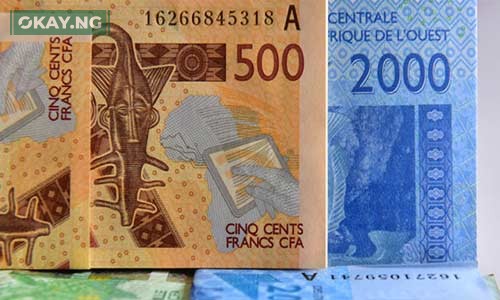
The Economic Community of West African States (ECOWAS) has reaffirmed its commitment to launching the single regional currency, the Eco, by 2027, signaling a renewed push for deeper economic integration amidst persistent challenges. The announcement, made following the 11th ECOWAS Convergence Council meeting in Abuja, underscores the region’s determination to forge a unified financial landscape.
The ambitious project, aimed at streamlining trade and fostering economic stability across West Africa, faces significant headwinds. As Nigeria’s Minister of Finance and Coordinating Minister of the Economy, Wale Edun, poignantly stated, “This is our opportunity to shape the future of our region. We must work together to drive economic stability, growth, and prosperity.” However, the path to achieving this vision is fraught with obstacles, including security threats, persistent inflation, and the lingering effects of global economic disruptions.
For many West Africans, the promise of a single currency evokes a sense of hope and anticipation. Imagine, if you will, the ease of conducting business across borders, the reduced transaction costs, and the potential for a more stable economic environment. These are the aspirations driving the Eco initiative. Yet the reality is complex.
Edun highlighted Nigeria’s recent economic reforms, including foreign exchange market adjustments and fuel subsidy removal, as critical steps toward achieving regional convergence. “These measures have contributed to GDP growth of 3.4 per cent in 2024, setting a positive trajectory for regional economic stability,” he noted. This growth, while promising, must be sustained across all member states to ensure the Eco’s success.
Read Also: Sahel Alliance Unveils Flag, Passport, and Troop Force Amid Regional Shift
However, the human angle remains paramount. The everyday West African faces the brunt of economic instability. Inflation erodes purchasing power, and security concerns disrupt livelihoods. The Eco, if implemented effectively, could mitigate some of these challenges by fostering a more predictable economic environment and attracting foreign direct investment (FDI). As noted by the FCAI, Director of Information and Public Relations at the Federal Ministry of Finance, Mohammed Manga, the Eco aims to “boost economic integration and financial stability in West Africa.”
The drive for monetary and fiscal discipline, as emphasised by Edun, is crucial. This discipline is not merely about adhering to economic targets; it is about building trust and confidence in the region’s ability to manage its finances. According to the International Monetary Fund (IMF), successful monetary unions require strong institutional frameworks and sustained policy coordination. This means that ECOWAS member states must harmonize their fiscal policies and strengthen their central banks to ensure the Eco’s stability.
Furthermore, the ongoing engagements with South Africa’s G20 presidency present a strategic opportunity to align West Africa’s economic agenda with broader African objectives. This alignment is vital, as it allows the region to leverage global partnerships and resources to support its development goals.
The Eco’s potential to enhance price stability and reduce inflationary pressures is a critical factor for ordinary citizens. A unified payment system could streamline cross-border transactions, making it easier for businesses to operate seamlessly across West Africa. This, in turn, could lead to increased trade and economic activity, benefiting both businesses and consumers.
In essence, the 2027 target for the Eco launch is more than just a date on a calendar. It represents a collective aspiration for a more prosperous and integrated West Africa. While challenges remain, the commitment to achieving this goal underscores the region’s resilience and determination to shape its economic destiny.