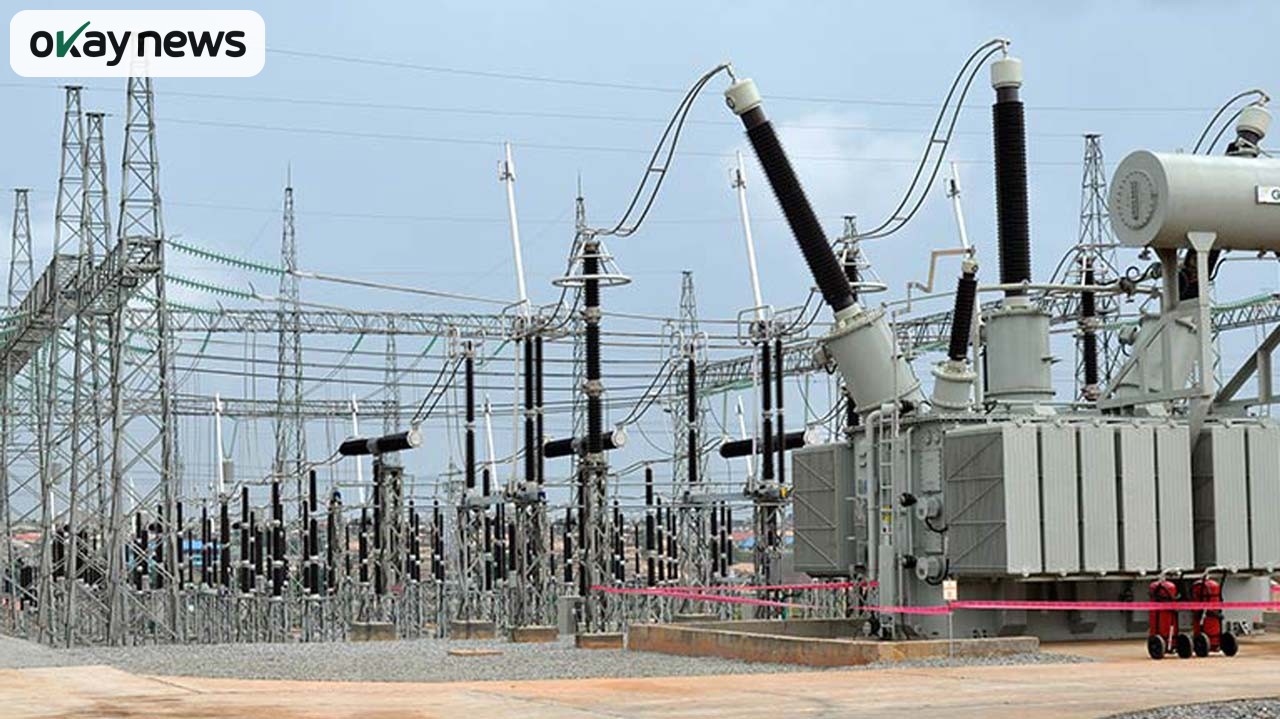
Lagos, Nigeria – A catastrophic gas tanker collision along the busy Lekki-Epe Expressway ignited a massive fire that obliterated critical high-voltage electricity infrastructure, plunging thousands of residents and businesses into complete darkness under Eko Electricity Distribution Company’s service zone.
Okay News reports EKEDC’s urgent public statement confirming the disaster “occurred last night following a vehicle collision with a stationary gas tanker,” completely destroying the Ibeju and Medallion 33kV feeders along with vital conductors and overhead line equipment essential for powering this high-growth economic corridor.
The widespread blackout immediately engulfed the entire Medallion Feeder network serving Medallion Company itself, plus densely packed communities including Sangotedo, Majek, Fidiso, Awoyaya, Container, Eputu, Lagasa, Losoro, Kajola, and Onisan all linked through the crippled Ibeju 33kV feeder that snakes across this vital suburban axis.
Technical crews raced against time through hazardous conditions to replace the scorched components under stringent safety protocols, profusely apologizing for “this unforeseen incident” while committing to restore power swiftly despite complex damage assessments amid lingering fire risks and debris.
The early Saturday morning tragedy at Tera Ahmed bus stop in Sangotedo claimed at least two lives with the tipper truck driver and his assistant burnt beyond recognition inside their vehicle, while the gas tanker driver miraculously escaped unharmed before flames rapidly consumed three large warehouses, 10 roadside shops, a gym, generator house, three Sienna buses, one Toyota Corolla, and a forklift dangerously close to a Total filling station housing a 33,000-litre PMS tanker.
Lagos State Fire Service from Lekki Phase II, Oniru, and Epe II stations battled for hours to contain the inferno sparked when a speeding 20-tonne tipper from Epe end rear-ended the parked 30-tonne gas truck that failed to yield, barely saving adjacent properties through heroic intervention.
This disaster compounds Nigeria’s chronic electricity crisis already reeling from Amuwo-Odofin’s four-month 132kV substation rehabilitation blacking out Old Ojo Road, Ijesha Express, Amukoko, and Hongxing areas through July 2026, alongside EKEDC’s recent three-day Lekki network upgrade shutdown exposing the capital’s fragile grid unable to match surging demand from 20+ million residents.
Small businesses shuttered without generators amid skyrocketing diesel costs from global oil spikes, hospitals relied on backup power, traffic lights failed worsening gridlock, while factories, tech parks, and estates in the high-value Lekki-Epe corridor suffered millions in daily revenue losses raising fresh investor concerns about reliability in Africa’s commercial powerhouse.
Recurring tanker catastrophes along congested expressways expose glaring road safety failures, inadequate emergency response capacity, and reckless gas transportation practices perilously close to populated zones and power infrastructure, fueling public fury demanding immediate regulatory overhaul as EKEDC’s restoration timeline hangs uncertain pending comprehensive damage evaluation.