


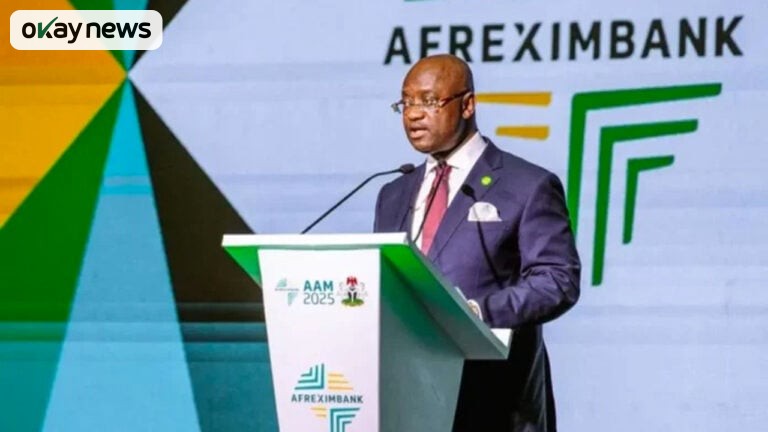
Newly inaugurated President of the African Export-Import Bank (Afreximbank), Dr. George Elombi, has warned African nations against over-reliance on concessional loans from multilateral institutions, saying the hidden costs attached to such financing often cripple economies rather than strengthen them.
Speaking during his investiture ceremony in Cairo, Elombi said loans from institutions like the International Monetary Fund (IMF) and the World Bank come with conditions that restrict policy freedom, undermine growth, and weaken national sovereignty.
He argued that while these loans appear affordable, their policy conditionalities — including reforms that limit public investment and cause job losses — have worsened unemployment and political instability across the continent.
“They have suggested that our loans are expensive, but what they fail to admit is that their concessional loans come with conditionalities that destroy jobs, restrict investments, and heighten commodity dependence,” Elombi said.
He described recent attempts to question Afreximbank’s preferred creditor status as a coordinated attack on African-owned institutions, insisting that the bank’s success has made it a target.
Elombi reaffirmed Afreximbank’s commitment to transforming Africa’s trade structure beyond short-term financing, announcing plans to launch a Strategic Minerals Development Programme and new financing windows to support industrial value chains.
He proposed the creation of a Pan-African digital currency or stablecoin to promote economic integration and independence.
Nigeria’s Minister of Finance and Coordinating Minister of the Economy, Wale Edun, who presided over the swearing-in, described Elombi’s appointment as the dawn of a new era in Africa’s financial sovereignty.
Edun also praised outgoing President Professor Benedict Oramah for transforming Afreximbank into a key player in Africa’s trade, crisis response, and industrial development.


, Dr. George Elombi, has warned African nations against over-reliance on concessional loans from multilateral institutions, saying the hidden costs attached to such financing often cripple economies rather than strengthen them.)