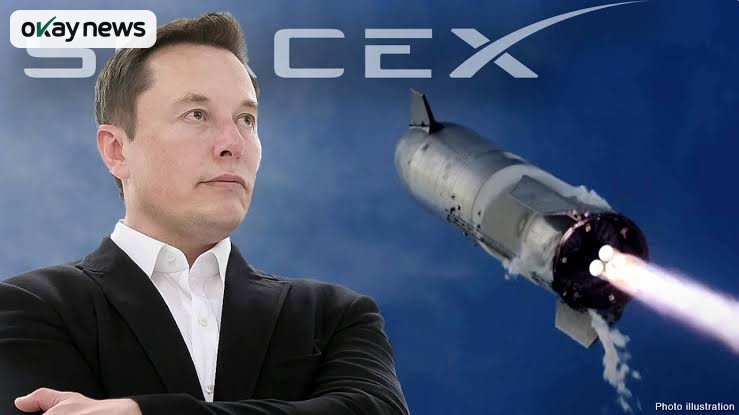
SpaceX is laying the groundwork for what could become one of the most valuable public debuts in corporate history, with preparations under way to raise more than $25 billion through an initial public offering expected in 2026, according to a person with direct knowledge of the matter.
If the deal goes ahead as envisioned, the listing could propel Elon Musk’s aerospace company to a valuation exceeding $1 trillion, placing it in a league occupied by only one other IPO to date — Saudi Aramco’s record 2019 flotation.
People familiar with internal planning say the push toward the public markets is largely the result of SpaceX’s accelerating business in orbital internet services. Starlink, its satellite network, has expanded aggressively, including trials for mobile phone connectivity and progress in Musk’s high-profile Starship program aimed at lunar and Mars missions.
Banks have already been approached to begin shaping the offering, with discussions targeting a launch window in mid-2026, the source said. SpaceX declined to comment.
The move unfolds during a broader revival in U.S. public offerings after several years of stagnation. Bankers say major private companies are watching SpaceX closely, as a successful listing could spur a wave of delayed debuts from other high-growth firms.
“Investors have been waiting years for a company of this scale to come to market,” said Samuel Kerr of Mergermarket. He added that space technology sits at the intersection of national security, data infrastructure and global communications — sectors drawing unprecedented attention from investors.
SpaceX is currently the second most valuable private startup behind OpenAI, with both OpenAI and rival Anthropic also evaluating potential IPOs next year.
The latest excitement around the company comes just days after reports of a separate secondary share sale that suggested an $800 billion valuation — a figure Musk publicly dismissed as inaccurate.
Money raised from the IPO is expected to support SpaceX’s development of orbital data storage and processing facilities, according to reports. The company is also evaluating chip procurement to power such infrastructure, seen by analysts as a long-term driver of revenue.
A public listing would come at a time when private competition in space technology is intensifying. Musk’s SpaceX and Jeff Bezos’ Blue Origin are the dominant players in a new wave of billionaire-backed ventures targeting everything from satellite deployment to lunar transport.
With NASA expanding partnerships with private contractors and defense spending increasing, the commercial space sector is emerging as one of the most strategically important industries in the U.S.
Yet some analysts caution that investors may question Musk’s ability to oversee multiple multi-trillion-dollar companies simultaneously.
“It’s hard to imagine Wall Street ignoring the management issue,” said Dan Coatsworth of AJ Bell. “If SpaceX crosses the trillion-dollar mark, pressure will grow for Musk to dedicate himself to one flagship public company rather than two.”