Abuja, NIGERIA — The Federal Ministry of Finance has strongly dismissed claims of “hidden spending” and the diversion of federation revenue, describing recent media interpretations of the World Bank’s latest Nigeria Development Update as a misunderstanding of the nation’s fiscal system.
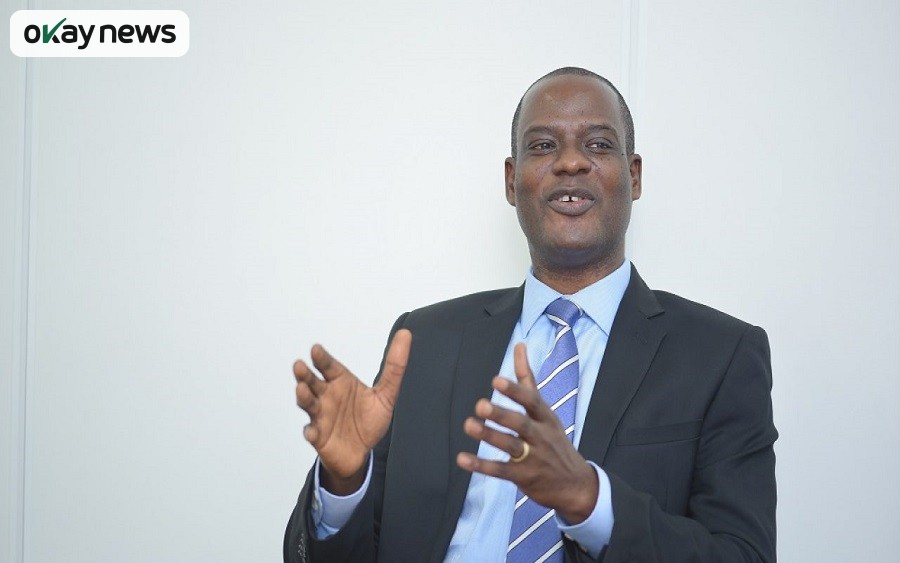
In a press statement issued on Sunday, April 19, 2026, the Minister of State for Finance, Taiwo Oyedele, clarified that deductions from the Federation Account Allocation Committee (FAAC) are often mischaracterized as waste or missing funds. Okay News reports that the Minister identified these deductions as legitimate fiscal flows, including statutory transfers, security expenditures, cost-of-collection charges, and refunds to Ministries, Departments, and Agencies (MDAs).
Oyedele emphasized that the World Bank report actually highlights the success of ongoing reforms. He specifically pointed to Executive Order No. 9 (2026), signed by President Bola Tinubu in February, which mandates the direct remittance of petroleum revenues to the Federation Account. This measure is expected to increase distributable revenue by approximately 0.4% of GDP annually and enhance transparency across all tiers of government.
The Ministry further noted that Nigeria’s macroeconomic fundamentals are strengthening, with broad-based economic growth, declining inflation, and a significant improvement in external reserves. The debt-to-GDP ratio has also seen its first decline in over a decade, signaling a positive trajectory for the country’s fiscal health.
The statement concluded by urging media organizations and stakeholders to avoid “twisted interpretations” that could undermine public confidence in Nigeria’s economic reforms. The Federal Government remains committed to deepening fiscal transparency and ensuring efficient public spending to support inclusive growth.
The World Bank’s report, while flagging some institutional weaknesses, ultimately concluded that Nigeria’s reforms are working and must be sustained.