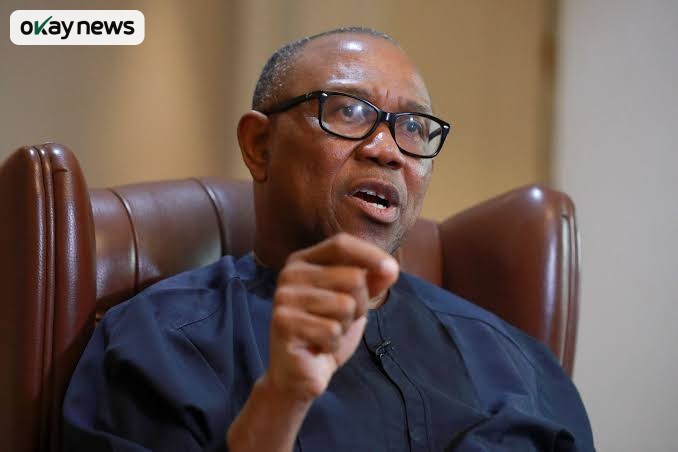
Kaduna, Kaduna State, Nigeria — The former presidential candidate of the Labour Party in Nigeria, Peter Obi, has informed citizens that he could successfully govern the West African nation from the northern city of Kaduna. He stated clearly that his physical location would not restrict his ability to provide effective leadership for the country.
Obi made these remarks on Sunday, March 22, 2026, during a strategic meeting with stakeholders of the African Democratic Congress (ADC) in Kaduna. The meeting was part of his ongoing nationwide consultations. He explained that the geographical distance between the nation’s capital and the northern state is manageable for a sitting president.
“Abuja to Kaduna is less than two hours; so nothing stops a president from attending meetings here and returning. In fact, I can serve Nigeria from Kaduna without a single problem,” Obi stated.
During his address, he noted the strong dedication of the African Democratic Congress stakeholders, observing that their drive goes beyond mere political ambition and reflects a true commitment to public service. He also reflected on the historical significance of Kaduna State. He reminded his audience that the region was once a thriving center for agriculture, commerce, and industry in Nigeria. With competent leadership that prioritizes the people, he noted, the state can regain its previous economic strength.
Okay News reports that the former governor also used the platform to caution against political and ethnic divisions, which he described as major roadblocks to the development of the country.
“A divided society cannot progress, but a united, just, and inclusive one will always find a path to peace and development,” he said. He strongly advocated for renewed unity among all Nigerians.
Following his engagements in Kaduna, Obi travelled to the neighboring Kano State. There, he held discussions with Rabiu Musa Kwankwaso, a former governor of Kano State, alongside members of the Kwankwasiyya political movement. These meetings indicate his active efforts to forge political alliances and build a broader consensus ahead of the upcoming 2027 general elections in Nigeria