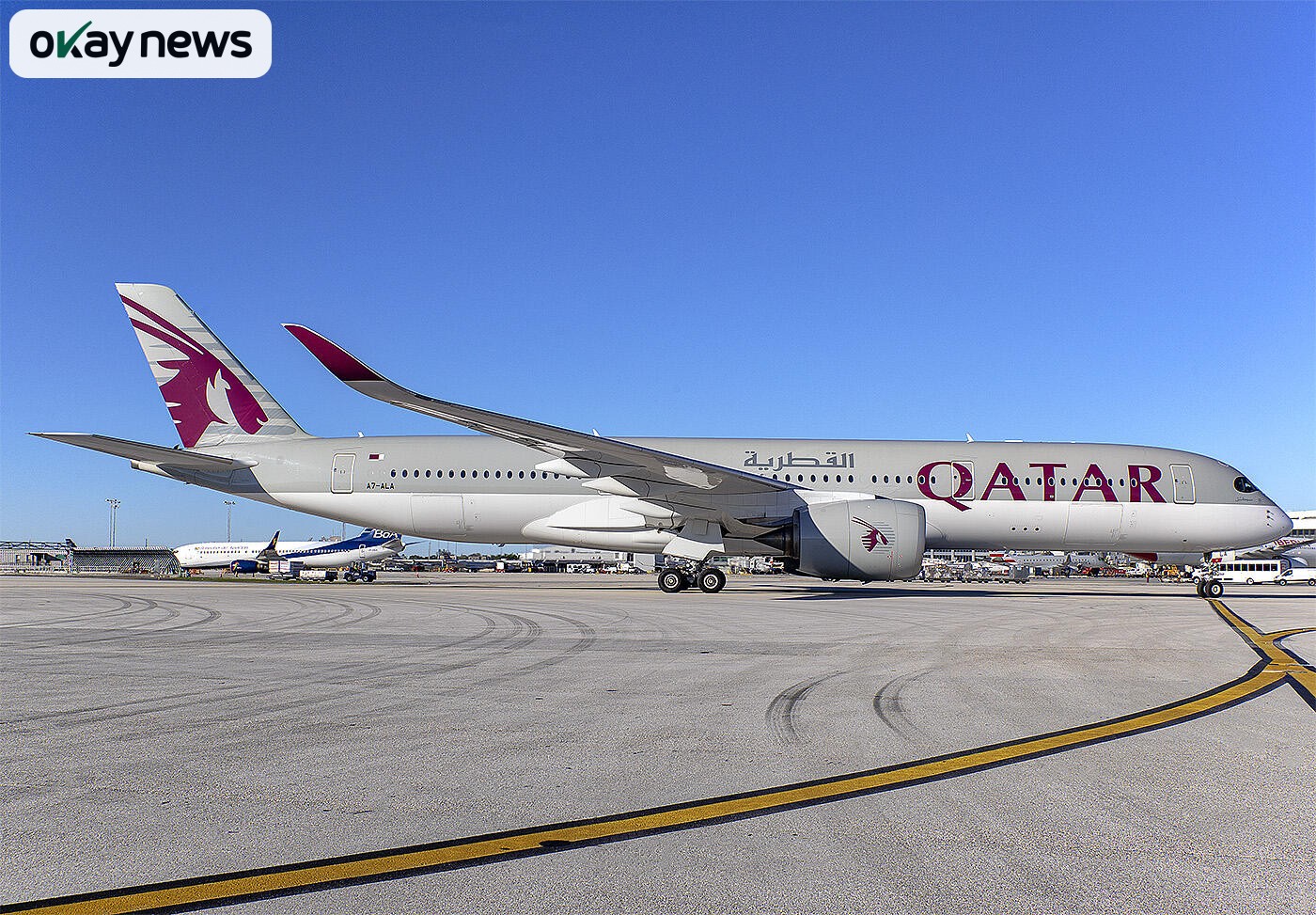
In a period marked by heightened geopolitical tensions and unprecedented disruption to global air travel, Qatar Airways has emerged as a defining example of what disciplined, safety-first aviation leadership looks like in practice.
While some airlines across the region have moved quickly to restore broader operations, Qatar Airways has taken a more measured path, prioritising caution over speed.
The airline’s decision to operate through only a limited number of verified safe air corridors reflects a deliberate strategy anchored in one principle: safety above all else.
This approach, though more conservative, has positioned the airline as one of the most responsible operators navigating the current uncertainty in Middle Eastern airspace.
Rather than rushing into full-scale operations, Qatar Airways has focused on essential travel and repatriation, ensuring that stranded passengers, families, and those with urgent needs are supported first. This prioritisation underscores a broader philosophy that sees aviation not just as a commercial enterprise, but as a critical service during times of disruption.
The airline’s gradual reintroduction of flights, carefully timed within short operational windows deemed safe by aviation authorities, highlights a level of coordination and discipline that is often difficult to maintain in crisis conditions. Each flight, according to the airline, is subject to real-time safety assessments, regulatory approvals, and evolving airspace conditions.
This methodical approach may limit the number of flights in the short term, but it reinforces long-term trust in the airline’s operational integrity.
From Africa to Europe, Asia, and the Americas, Qatar Airways has continued to maintain vital connections between Doha and major global destinations, including Lagos, London, New York City, and Johannesburg. These routes, though limited, have played a crucial role in keeping people connected across continents during a volatile period.
Equally notable is the airline’s communication strategy. By consistently updating passengers and clearly outlining what is possible and what is not, Qatar Airways has managed expectations while maintaining transparency. In an industry where uncertainty can quickly erode confidence, this clarity has proven essential.
The airline’s actions also reflect a deeper understanding of its global responsibility. As one of the world’s leading international carriers, Qatar Airways is not just managing its own operations, it is helping to stabilise mobility across regions that depend heavily on reliable air links for economic and social continuity.
At a time when aviation is being tested by factors far beyond its control, Qatar Airways’ response offers a case study in resilience, restraint, and strategic decision-making.
Its message is clear: restoring operations is important, but restoring them safely is non-negotiable.
In an industry often defined by speed and scale, Qatar Airways is demonstrating that leadership, especially in moments of crisis, is best measured by responsibility.