



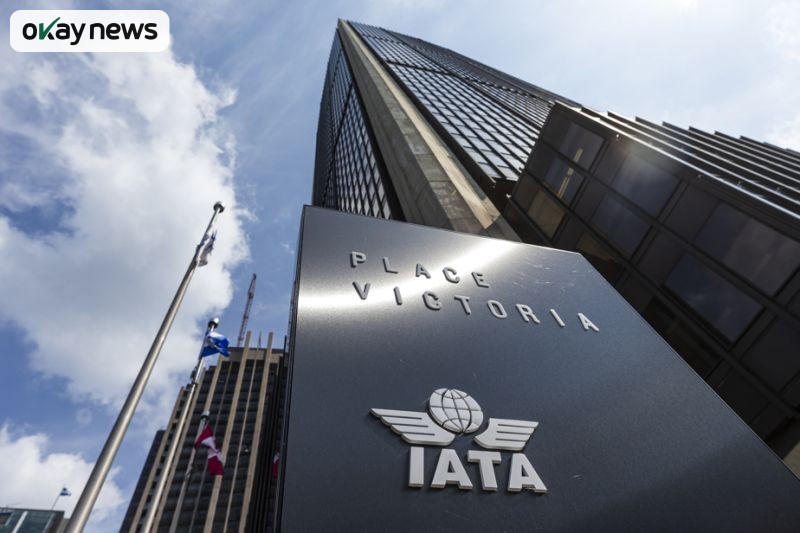
The International Air Transport Association (IATA) has projected that the global aircraft supply chain will not return to normal levels until between 2031 and 2034, extending industry pressures caused by years of production delays and delivery shortfalls.
According to IATA’s latest global outlook, aircraft deliveries only began to pick up toward the end of 2025, with faster output expected from 2026. However, the association said demand will continue to outpace supply throughout the decade due to structural gaps in manufacturing capacity.
Okay News reports that IATA identified a deep mismatch between airline needs and production capability, worsened by delivery losses recorded over the last five years. The backlog of aircraft orders has now exceeded 17,000 units—equivalent to nearly 12 years of production at current rates.
IATA noted that delivery shortfalls have reached at least 5,300 aircraft. This has pushed airlines to keep older planes in service. The average global fleet age has risen to 15.1 years, including 12.8 years for passenger aircraft and almost 20 years for cargo jets. Despite this, over 5,000 aircraft remain in storage, reflecting ongoing supply chain inefficiencies.
The association explained that airlines are facing higher leasing and maintenance costs, reduced scheduling flexibility, and slower progress on sustainability goals. Travellers are also being affected as limited aircraft availability continues to drive fares upward across major markets.
IATA attributed the prolonged delays to several issues: persistent engine shortages, lengthier aircraft certification processes now stretching up to five years, US-China trade tensions affecting component sourcing, and a shortage of skilled labour in engine and component manufacturing.
To address the crisis, IATA recommended opening up the Maintenance, Repair and Overhaul (MRO) market for more competition, improving transparency across supplier networks, boosting repair and parts capacity, and expanding predictive maintenance systems to minimise aircraft downtime.





 has projected that the global aircraft supply chain will not return to normal levels until between 2031 and 2034, extending industry pressures caused by years of production delays and delivery shortfalls.)