


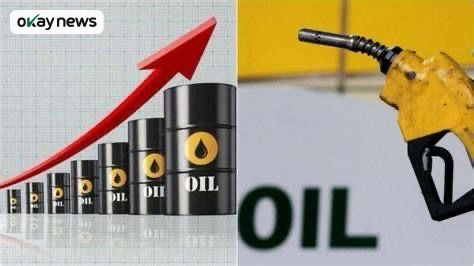
Paris, France – The International Energy Agency (IEA) has announced plans to release 400 million barrels of oil to ease the global supply shortage. Executive Director Fatih Birol announced this on Wednesday following a unanimous agreement by member countries.
Okay News reports that the decision comes after disruptions caused by the United States-Israeli war against Iran. Birol said the IEA would be launching what he called the largest oil release in the agency’s 50-year history.
“IEA countries have unanimously decided to launch the largest ever release of emergency oil stocks in our agency’s history,” Birol announced. “IEA countries will be making 400 million barrels of oil available to the market to offset the supply lost due to the effective closure of the strait.”
He said this action aims to alleviate the immediate impact of disruption in markets. However, Birol noted that while this would help the current situation, the most important thing for stable oil and gas flows is the resumption of transit through the Strait of Hormuz.
The announcement follows discussions by Group of Seven finance ministers on Monday. The G7 discussed plans for a joint release of oil from emergency reserves coordinated by the IEA. The group comprises Canada, France, Germany, Italy, Japan, the United Kingdom, and the United States.
Iran’s military command has warned that global oil prices could surge to $200 per barrel. This warning came after three ships were attacked in the Strait of Hormuz on Wednesday. Spokesperson Ebrahim Zolfaqari issued the threat as tensions in the region intensify.
This follows Tuesday’s threat to block oil shipments from the Middle East if attacks by the United States and Israel continued. The Strait of Hormuz handles about one-fifth of global oil shipments.
President Donald Trump had suggested that vessels passing through the strait could be escorted by the United States Navy. He also warned Iran against interfering with oil shipments from the region.
Oil markets had shown signs of stabilizing in recent days as investors bet the conflict could be resolved quickly. However, renewed attacks in the Strait of Hormuz have revived concerns about fresh supply disruptions.
 has announced plans to release 400 million barrels of oil to ease the global supply shortage. Executive Director Fatih Birol announced this on Wednesday following a unanimous agreement by member countries.)