


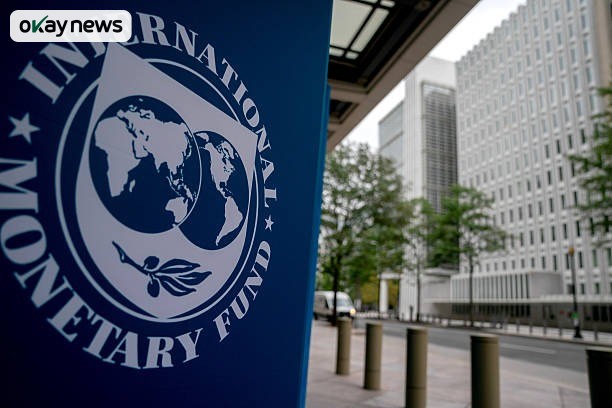
Washington, USA – The International Monetary Fund (IMF) has expressed concern over rising energy prices and disruptions to global trade caused by the crisis in the Middle East, as the United States–Israeli war against Iran entered its fourth day. The global monetary body broke its silence on Tuesday in a publication on its website, warning that the conflict would add to already significant global economic uncertainties.
Okay News reports that the IMF stated it is closely monitoring developments in the Middle East, noting that disruptions to trade and economic activity, surges in energy prices, and volatility in financial markets have already been observed. The organisation described the situation as highly fluid and said it is too early to assess the full economic impact on the region and the global economy, which will depend on the extent and duration of the conflict.
Several airlines have suspended operations and shipping routes are being disrupted as a result of the conflict, while major energy companies have halted operations, affecting fuel supply to key markets. The IMF stated it would provide a comprehensive assessment in its April World Economic Outlook. The escalation began on Saturday, February 28, when the US and Israel launched strikes on Iranian cities, triggering global oil and gas shipping rates to surge to all-time highs, with supertanker costs in the Middle East more than doubling.
Oil marketers under the Petroleum Products Retail Outlets Owners Association of Nigeria have advised that Nigeria must consolidate and strengthen domestic refineries by ensuring consistent crude oil supply and creating enabling policies to minimise the impact of external geopolitical shocks. This energy costs warning highlights the vulnerability of global markets to geopolitical tensions and the need for domestic resilience in energy supply.

 has expressed concern over rising energy prices and disruptions to global trade caused by the crisis in the Middle East, as the United States–Israeli war against Iran entered its fourth day. The global monetary body broke its silence on Tuesday in a publication on its website, warning that the conflict would add to already significant global economic uncertainties.)