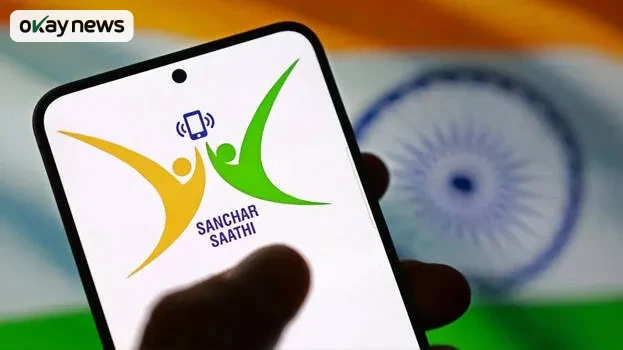
India has withdrawn a controversial directive that would have required all new smartphones sold in the country to come pre-installed with a government-run cyber safety app, following intense public criticism and pushback from major tech companies.
The order, issued last week and made public on Monday, directed manufacturers to preload the Sanchar Saathi app and prevented users from disabling it — raising immediate fears over privacy and potential surveillance. India has more than 1.2 billion mobile users, making the measure one of the largest mandatory tech rollouts ever attempted by a government.
Authorities defended the move as a tool to verify the authenticity of devices and fight cyber fraud. But cybersecurity experts warned that forcing an undeletable government app onto every phone would undermine user privacy and bypass essential consent norms.
On Wednesday, the government abruptly withdrew the directive, citing the app’s “increasing acceptance” among users. The reversal came after Apple and Samsung reportedly resisted the order, telling officials it had been issued without consultation and could violate global privacy standards.
The telecom ministry said the app has already been downloaded by 14 million users, with 600,000 new registrations recorded on Tuesday alone — a tenfold spike triggered by public debate. Users currently report around 2,000 fraud cases daily through the platform.
Communications Minister Jyotiraditya Scindia dismissed accusations that the app could be used for surveillance, stating: “Snooping is neither possible nor will it happen with the Sanchar Saathi safety app.”
Digital rights groups cautiously welcomed the reversal but called for full transparency. The Internet Freedom Foundation said it is waiting for the formal legal document confirming the withdrawal, adding that the decision should be treated as “cautious optimism, not closure”.