Lagos, Nigeria – Investor appetite for Nigeria’s telecommunications sector is gradually rebounding following the resolution of a N300 billion Unstructured Supplementary Service Data debt impasse, which had weighed heavily on operator balance sheets and rattled confidence across the broader digital ecosystem.
Okay News reports that industry leaders say the clearing of the long-running dispute between telecom operators and financial institutions has removed one of the most significant financial overhangs in recent years.
The resolution has restored predictability to a sector already grappling with forex volatility, rising energy costs, and over a decade of static pricing.
Gbenga Adebayo, chairman of the Association of Licensed Telecommunications Operators of Nigeria, described the debt resolution as a turning point for the industry.
At its peak, the exposure was approaching N300 billion, creating uncertainty for telecom operators and the financial services ecosystem that depends on them.
Today, that overhang has been lifted with no outstanding USSD debt, he said.
The dispute, which lingered for years, stemmed from unpaid charges for USSD services used by banks to power mobile banking transactions, straining relationships between operators and financial institutions.
The standoff raised concerns among lenders and complicated capital planning for network expansion.
According to Adebayo, structured engagements involving regulators and stakeholders led to a migration to end-user billing, bringing clarity and long-term sustainability to the framework.
Market observers say the debt clearance has coincided with improved foreign exchange liquidity, easing pressure on operators who earn revenue in naira but settle obligations in foreign currency.
For much of the past three years, forex scarcity compounded financial stress, forcing operators to accumulate foreign obligations and delay capital expenditure, but that pressure has begun to ease.
The renewed optimism comes after regulators approved long-awaited tariff adjustments, the first major pricing review in 13 years.
Operators had argued that inflation, energy costs, and currency depreciation had eroded margins to unsustainable levels.
Idris Olorunnimbe, chairman of the Nigerian Communications Commission Board, stressed that regulatory independence and policy consistency remain central to sustaining the sector’s recovery.
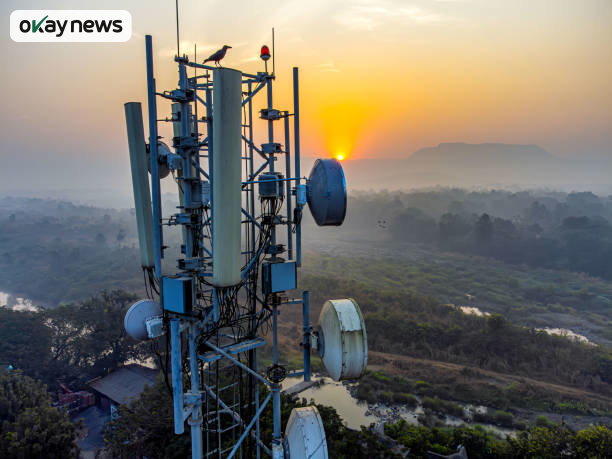
Signs of renewed investor confidence are emerging in infrastructure segments such as tower assets and fibre expansion.
Industry analysts note that large-scale transactions, typically avoided in distressed markets, suggest confidence in Nigeria’s telecom fundamentals is strengthening.
Beyond financial restructuring, operators still contend with operational risks including fibre vandalism and infrastructure damage.
However, with the debt dispute settled, forex conditions stabilising, and tariff reforms in place, the immediate priority is consolidating reforms and deepening broadband penetration.
For investors who once hesitated, stability is no longer aspirational but becoming visible, and sustained investor confidence will depend on continued policy consistency and infrastructure protection.