Nairobi, Kenya – Kenya’s inflation rate rose slightly to 4.4% year‑on‑year in March 2026, up from 4.3% in February, according to the Kenya National Bureau of Statistics.
The modest increase reflects a small uptick in consumer prices across key sectors, even as inflation remains comfortably within the government’s 2.5–7.5% tolerance band.
Okay News reports that the price index rose 0.5% month‑on‑month in March, faster than the 0.2% increase recorded in February. The Kenya National Bureau of Statistics said the 4.4% reading means the general cost of living was 4.4% higher in March 2026 than in the same month a year earlier. Rising costs in food and non‑alcoholic beverages, transport, and housing‑related utilities were the main drivers, with those three categories together accounting for more than 57% of the consumer‑price weightings.
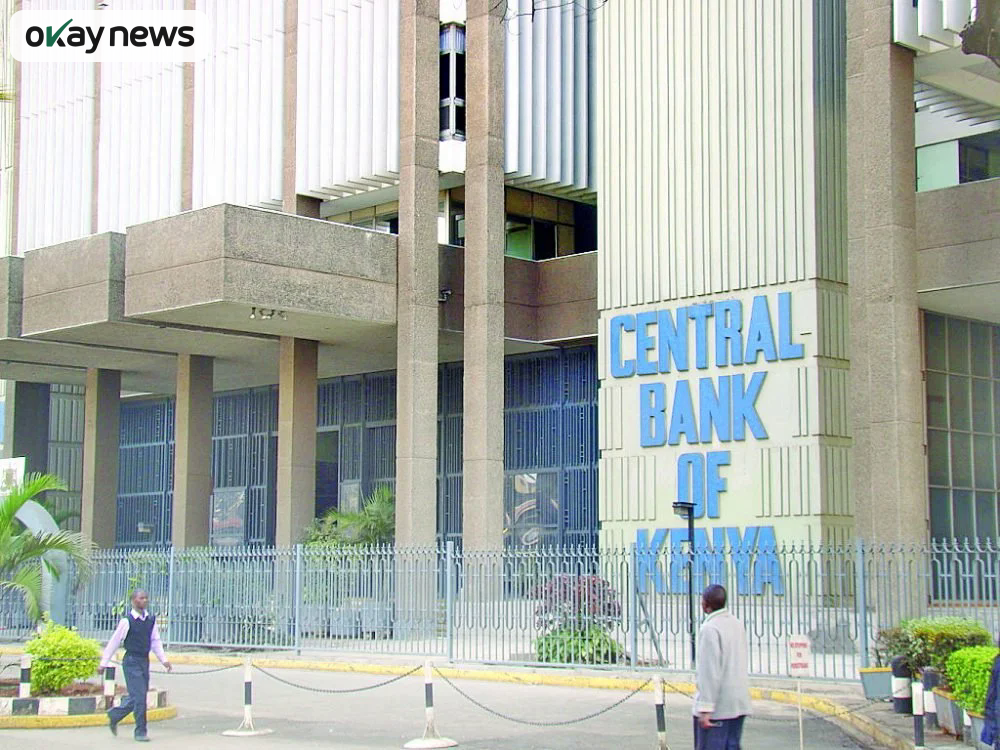
Annual food and non‑alcoholic beverages prices rose 7.7%, transport costs increased 3.8%, and housing, water, electricity, gas, and other fuels added 2.0%. This pattern continues a trend where essentials such as food, transport, and energy have the largest impact on Kenya’s headline inflation. The March pick‑up reverses the slight easing seen in February, when inflation had dipped from 4.4% in January to 4.3%, giving the Central Bank of Kenya some room to consider interest‑rate adjustments.
Kenya’s low‑single‑digit inflation contrasts with Nigeria, where headline inflation was 15.06% in February 2026, slightly down from 15.10% in January. The wide gap reflects different macroeconomic conditions, policy settings, and degrees of price stability on the two sides of the continent. For now, Kenya’s 4.4% rate signals relatively contained price pressures but still underscores the need for careful monetary management as global energy and food‑price risks persist.