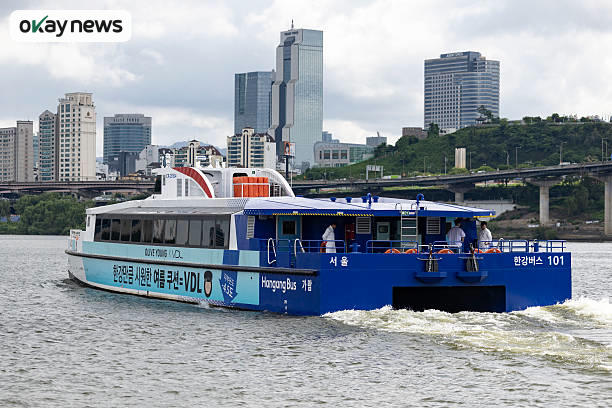
LAGOS, Nigeria — The Lagos State Government is set to overhaul water transportation with electric ferries and expanded inland waterways under a five-year mobility plan designed to make travel safer, cheaper and more sustainable, Mr Oluwadamilola Emmanuel, Special Adviser to the Governor on Marine and Blue Economy, said on Thursday, April 23, 2026.
Okay News reports that Emmanuel, who also serves as General Manager of the Lagos State Waterways Authority (LASWA) , disclosed the plan during a meeting with members of the Shipping Correspondent Association of Nigeria (SCAN) , led by its President, Moses Ebosele.
“The goal is to build an efficient, interconnected system linking the eastern, western, and central parts of Lagos,” Emmanuel said, adding that the government will prioritise training for operators and regulators while ensuring informal operators are not left out of the transition.
The plan includes dredging approximately 140 kilometres of inland waterways, upgrading terminals, and strengthening operational capacity across the sector. Major transport hubs are being developed at Mile 2 and Marina to connect water, rail and bus services for seamless movement.
Emmanuel revealed that pilot electric ferry operations have already shown positive results, while work is ongoing to transition existing boats from conventional engines to Compressed Natural Gas (CNG) as part of a cleaner energy drive. He acknowledged that water transport remains more expensive than road travel but said it offers faster journeys and relief from heavy traffic.
Lagos currently records between 1.5 million and 2 million passenger trips monthly on its waterways. Emmanuel said safety has improved, with a drop in accidents due to better infrastructure, regulation and sustained engagement with operators.
He also highlighted efforts to tackle marine pollution, especially plastic waste, through partnerships with environmental agencies and non-governmental organisations, alongside initiatives to convert water hyacinth into useful products.
Ebosele called for stronger collaboration between LASWA and the media to deepen public awareness and improve outreach, especially in rural communities.