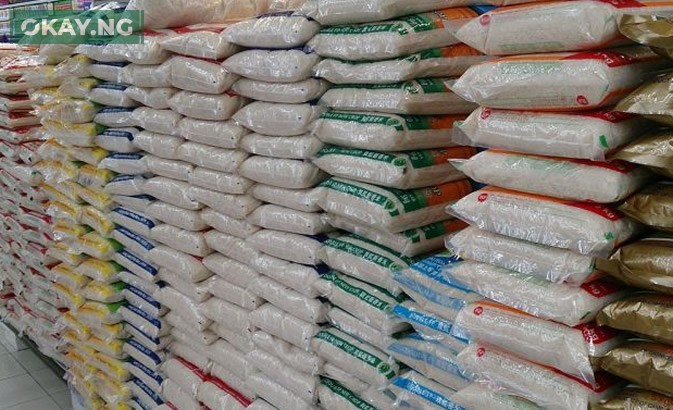
Rice is a staple food in Nigeria, consumed by millions daily and playing a significant role in the country’s culture and cuisine. With the fluctuating economy and the ban on rice importation, the prices of rice have seen various changes.
Let’s delve into the current prices of a 50kg rice bag from major brands in Nigeria as of June 20, 2024.
What is the Average Price of a 50kg Rice Bag in Nigeria?
The average price for a 50kg bag of rice in Nigeria varies depending on the brand and location. As of June 2024, prices range as follows:
- Mama Gold Rice: ₦85,000 — ₦90,000
- Royal Stallion Rice: ₦85,000 — ₦95,000
- Rice Master Rice: ₦85,000 — ₦90,000
- Caprice Rice: ₦90,000 — ₦95,000
- Nigerian Rice (Local): ₦85,000 – ₦90,000
How Do Prices Vary Across Different Locations in Nigeria?
Here’s a table showing the price variations of a 50kg rice bag across key locations in Nigeria:
| Location | Price Range (₦) |
|---|---|
| Abuja | 87,000 |
| Lagos | 85,000 |
| Jos, Plateau State | 80,000 |
| Ilorin, Kwara State | 78,000 |
| Ibadan, Oyo State | 78,000 |
| Port Harcourt, Rivers State | 85,000 |
| Bodija Market, Ibadan | 90,500 |
| Dawanau Market, Kano | 85,850 |
| Gombe Market, Gombe State | 85,600 |
What Factors Influence the Price of Rice in Nigeria?
Several factors influence the price of rice in Nigeria, including:
- Seasonal fluctuations: Prices can change depending on the time of year, with certain seasons bringing higher prices due to increased demand.
- Exchange rates: As a country that used to import a significant amount of rice, exchange rates can affect the cost of rice.
- Local production: With the growth of rice farming in states like Kebbi, local production has impacted prices.
- Market dynamics: Supply and demand, as well as market competition, play a role in determining rice prices.
Why is There a Price Difference Between Local and Foreign Rice Brands?
The price difference between local and foreign rice brands can be attributed to:
- Importation costs: Foreign brands incur additional costs due to importation taxes and transportation.
- Quality perception: Some consumers perceive foreign brands as being of higher quality, which can drive up the price.
- Availability: Local brands are more readily available due to domestic production, which can make them more affordable.
Are There Any Government Policies Affecting Rice Prices?
Yes, government policies such as the ban on rice importation have been implemented to encourage local production and self-sufficiency. This has led to a shift in the market and affected prices.