


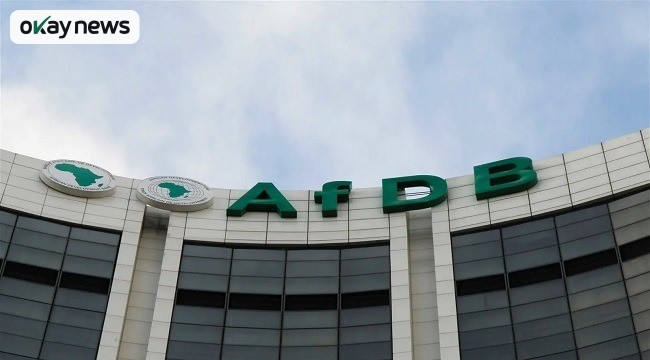
Abidjan, Côte d’Ivoire – The African Development Bank (AfDB) has warned that the ongoing Middle East conflict could reduce Africa’s economic growth by up to 1.5% if the war lasts more than six months.
The estimate comes from the bank’s 2026 Africa’s Macroeconomic Performance and Outlook report, launched on Monday by the AfDB’s Chief Economist, Kelvin Urama.
Okay News reports that the AfDB sees the short‑term impact as relatively modest, with growth potentially falling by about 0.2 percentage points if the crisis lasts up to three months. However, a protracted conflict could push the cumulative loss closer to 1.5 percentage points, as higher energy prices and tighter global financing squeeze already fragile economies. The bank still projects 4.3% growth for Africa in 2026 and 4.5% in 2027, but flags the Middle East war as a key downside risk.
The conflict has unsettled global energy markets, pushing oil prices higher. While oil‑exporting African countries may gain some revenue, most of the continent faces inflationary pressure that raises fuel, food, and fertiliser costs. The AfDB notes that about 29 African countries have seen their currencies weaken, making imports dearer and adding to the cost of living. Public debt on the continent reached $1.9 trillion in 2024, with debt‑servicing consuming over 31% of government revenues and 7 countries already in debt distress.
Foreign investment and aid flows are also under strain. Total foreign direct investment into Africa fell by 42% in the first half of 2025, and cuts in foreign aid threaten spending on health, education, and social programmes. The United States alone accounted for about one‑third of bilateral aid to Africa between 2015 and 2023. The AfDB argues that prolonged shocks could disrupt this fragile recovery, particularly for low‑ and middle‑income countries that rely on external financing.
Regionally, the IMF and World Bank have kept Nigeria’s growth forecast at around 4.4% for 2025–2027, and Sub‑Saharan Africa’s overall outlook has been slightly upgraded, suggesting a shared but uneven recovery. The AfDB’s warning underlines how quickly geopolitical events can reverse gains, compelling African governments to strengthen buffers, diversify trade, and manage spending carefully as the Middle East war continues.


 has warned that the ongoing Middle East conflict could reduce Africa’s economic growth by up to 1.5% if the war lasts more than six months.)