

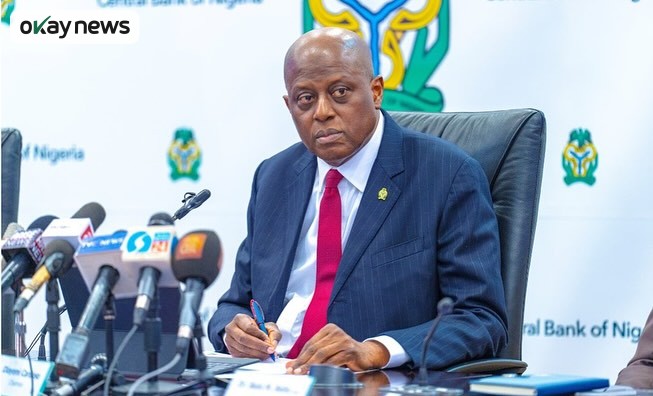
Abuja, Nigeria – Central Bank of Nigeria Governor Olayemi Cardoso has warned that the ongoing Middle East conflict is a major risk to Nigeria’s economic stability. Speaking at the Monetary Policy Forum, he said the crisis is driving sharp swings in oil prices and could derail inflation and exchange‑rate gains.
Okay News reports that the war between Iran and allied forces has pushed Brent crude past $110 per barrel, well above Nigeria’s 2026 budget benchmark of $64.85. The surge has already pushed local petrol prices to about N1,350 per litre, raising transport and production costs across the economy.
Cardoso acknowledged that Nigeria has built stronger reserves, a more resilient banking system, and a market‑driven exchange‑rate regime. Yet he said inflation, exchange‑rate stability, and reserve buffers remain key priorities. He flagged the Middle East crisis as a “major source of risk” because of its impact on fuel prices, trade flows, and investor sentiment.
Global growth is projected at 3.3% for 2026, but Cardoso stressed that tight financial conditions and geopolitical tensions could weaken that outlook. At home, the Central Bank expects Nigeria’s domestic growth at about 4.49%, supported by policy consistency and rising oil output. However, food‑supply constraints, infrastructure gaps, and election‑related spending still pose extra hurdles.
The jump in fuel prices is already hitting small and medium‑sized enterprises. Analysts warn of a deeper inflationary spiral if higher oil costs keep feeding into transport, food, and service charges. The Central Bank is watching the situation closely as it weighs when and how fast to cut interest rates this year.