


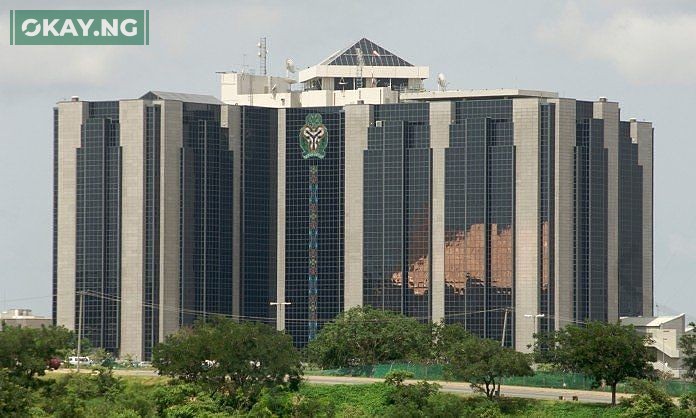
In a striking paradox highlighting the complexities of Nigeria’s economic landscape, the nation’s broad money supply (M3) has reached an unprecedented peak of N114.2 trillion in March 2025. This surge occurred despite the Central Bank of Nigeria’s (CBN) sustained and forceful monetary tightening measures designed to rein in the country’s stubbornly high inflation rates.
The M3 metric, a comprehensive gauge of money circulating within the economy, encompasses not only physical cash but also substantial deposits and financial instruments that significantly influence lending activities, investment trends, and ultimately, the rate of inflation. The latest data released by the CBN reveals a substantial 23.9 percent year-on-year increase from N92.18 trillion recorded in March 2024. Furthermore, on a month-on-month basis, the money supply expanded by 3.2 percent from February’s N110.70 trillion.
This expansion comes at a time when the CBN has been actively employing tools to reduce liquidity within the financial system. In March 2025 alone, the apex bank injected N1.7 trillion through Open Market Operations (OMO) auctions, a move underscored by analysts at Afrinvest Securities Limited as a key component of broader strategies to alleviate pressure on consumer prices.
“The CBN’s commitment to taming inflation is evident in their consistent use of OMO auctions to manage liquidity,” a senior analyst at Afrinvest noted. “However, the continued growth in money supply suggests other factors are at play.”
One such factor appears to be the significant increase in bank credit to the government, which saw a substantial 28.9 percent year-on-year rise, reaching N25.85 trillion in March 2025 compared to N20.05 trillion in the corresponding period last year. Interestingly, on a monthly basis, government borrowing from banks did see a 4.6 percent decrease from N27.11 trillion in February.
Conversely, credit to the private sector experienced a more modest growth of 6.8 percent year-on-year, climbing to N76.26 trillion in March 2025 from N71.43 trillion in March 2024. The month-on-month increase was negligible, at just 0.01 percent from N76.25 trillion in February 2025.
The amount of currency in circulation also witnessed a significant annual jump of 29.5 percent, reaching N5.00 trillion in March 2025, up from N3.86 trillion the previous year. However, a slight monthly dip was observed, with the figure decreasing from N5.03 trillion in February 2025. Similarly, currency held outside the banking system rose by 26.8 percent year-on-year to N4.59 trillion in March 2025, compared to N3.62 trillion in March 2024, with a 1.8 percent monthly increase from N4.51 trillion in February.
Read Also: Mobile Money Surge: Nigeria’s Transactions Reach ₦1.68 Trillion Annually
The CBN’s aggressive stance on monetary policy is further underscored by the consistent increase in the Monetary Policy Rate (MPR). Over the past five years, the benchmark interest rate has surged from 11.50 percent in 2021 to a high of 27.50 percent as of March 2025. A significant portion of this increase, a remarkable 875 basis points, occurred in the last year alone, reflecting the apex bank’s intensified efforts to combat rising inflation.
While these stringent measures did yield some initial positive results, with inflation easing from 24.48 percent in January 2025 to 23.18 percent in February, this downward trend proved short-lived. In March, the inflation rate unfortunately rebounded to 24.23 percent, signaling the persistent and multifaceted nature of Nigeria’s inflationary challenges despite the CBN’s determined interventions.
The record-high money supply in the face of tight monetary policy raises critical questions about the effectiveness of current strategies and the underlying factors driving liquidity in the Nigerian economy. Further analysis will be crucial to understanding the interplay between government borrowing, private sector credit demand, and currency movements in shaping the nation’s financial landscape and its battle against inflation.


 has surged to a historic N114.2 trillion in March 2025, defying the CBN's aggressive monetary tightening aimed at curbing persistent inflation.)