

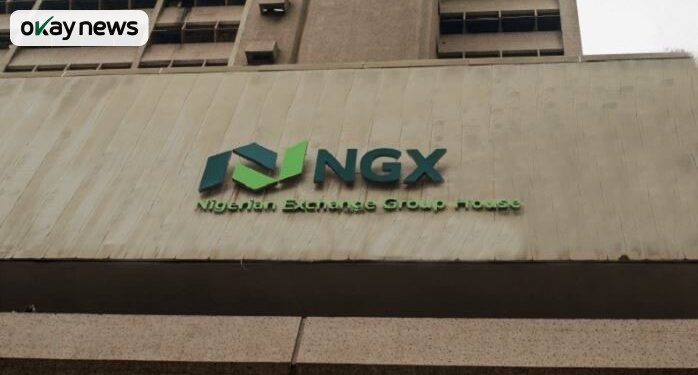
Lagos, Nigeria – The Nigerian Exchange Limited has sanctioned five stockbroking firms for market manipulation and price distortion, imposing a total of N291.29 million in fines and corrective measures. The action follows a regulatory crackdown on unethical trading practices under the new Investments and Securities Act 2025 framework.
Okay News reports that NGX Regulation Limited informed the Securities and Exchange Commission of the board‑approved penalties after hearings between February and March 2026. The firms involved are CSL Stockbrokers Limited, Cowry Securities Limited, Meristem Stockbrokers Limited, SMADAC Securities Limited, and Associated Asset Managers Limited. CSL received the heaviest penalty at N91.29 million, while each of the other four was fined N50 million.
The infractions included wash trades, self‑matching, artificial price formation, and other forms of market manipulation that breached the ISA 2025. In addition to the fines, all five firms must undergo mandatory compliance and market‑conduct training aimed at fixing weak internal controls and improving adherence to regulatory standards. NGX said the sanctions are “commensurate to the infractions” and are meant to deter future violations and protect investor confidence.
The move comes amid broader enforcement efforts since the enactment of ISA 2025. Earlier, the NGX suspended trading in Zichis Agro‑Allied shares after a spike of over 800% in a month, although the subsequent review did not indict the issuer or the listing brokers. Still, the exchange has introduced tighter controls to prevent similar episodes. Over the past year, NGX RegCo has also fined 34 listed companies more than N540 million for late financial‑statement reporting and 13 insurers N378 million for disclosure breaches, under its X‑Compliance framework.
Market participants say the latest actions show regulators shifting from passive oversight to active policing. Lawyers and industry watchers have praised the NGX and SEC for using the ISA 2025 powers, including Section 139, which allows monetary penalties and corrective measures for market‑abuse violations. Some stakeholders have urged the addition of jail terms for serious infractions like price manipulation, arguing that harsher punishment would better safeguard market integrity.
The 2008 Nigerian stock market crash, which erased over N8 trillion in investor wealth, was partly driven by rampant manipulation, insider trading, and artificial demand. As inflated valuations deflated, the lesson has been that strong enforcement and clear deterrents are essential to prevent speculative bubbles. The current wave of sanctions signals an attempt to embed that lesson into the capital‑market culture.