


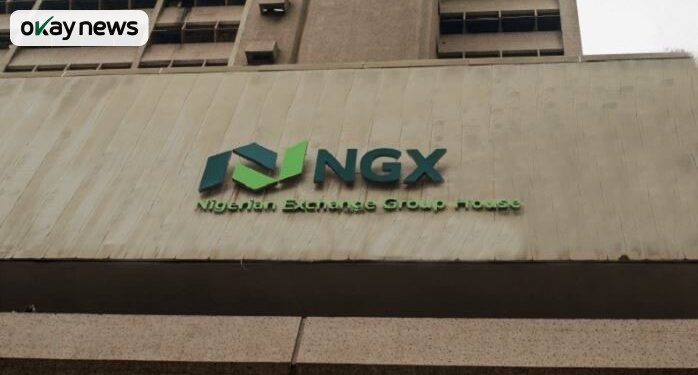
The Nigerian Exchange Limited (NGX) has lifted the suspension placed on Aso Savings and Loans Plc, allowing its shares to resume trading after eight years of inactivity. The suspension, imposed in July 2017 due to regulatory non-compliance, was lifted effective October 21, 2025.
At the close of trading on Thursday, October 23, the stock price rose by 9.9% to N0.60 per share from N0.55 the previous day. A total of 11,300,155 shares were traded in 17 deals valued at N6.78 million, reflecting renewed investor interest.
According to a statement signed by the Head of Issuer Regulation, Aso Savings had met all outstanding filing obligations, prompting NGX to lift the suspension. Investors can now trade the company’s securities after years of dormancy.
The move follows broader reforms by Aso Savings to align with market regulations and rebuild investor confidence. In November 2024, the Nigerian Exchange Regulation Limited (NGX RegCo) reclassified the firm from “Delisting in Progress” to “Delisting Watchlist,” granting a two-year window to address compliance issues.
This followed the submission of financial statements covering 2015–2022. NGX RegCo also directed the bank to file its 2023 audited accounts, complete interim filings for 2024, and convene all pending annual general meetings.
The commission further instructed the mortgage institution to strengthen its internal capacity through the NGX Issuers Portal and submit half-year compliance reports signed by its Managing Director and Company Secretary.
Market analysts say the development signals renewed confidence in the company’s governance and underscores NGX’s balanced regulatory approach. For shareholders, the resumption of trading offers a long-awaited chance to revalue their investments.
Despite the progress, the company’s financial health remains weak. Its unaudited report for June 30, 2025, shows total assets of N27.08 billion and liabilities of N78.24 billion, resulting in negative net assets of N51.16 billion.
Loans and advances stood at N9.58 billion, property investments at N9.40 billion, and customer deposits at N24.02 billion. With negative cash balances of N95.2 million, the company faces continued liquidity strain and must pursue recapitalization to restore stability.


 has lifted the suspension placed on Aso Savings and Loans Plc, allowing its shares to resume trading after eight years of inactivity. The suspension, imposed in July 2017 due to regulatory non-compliance, was lifted effective October 21, 2025.)