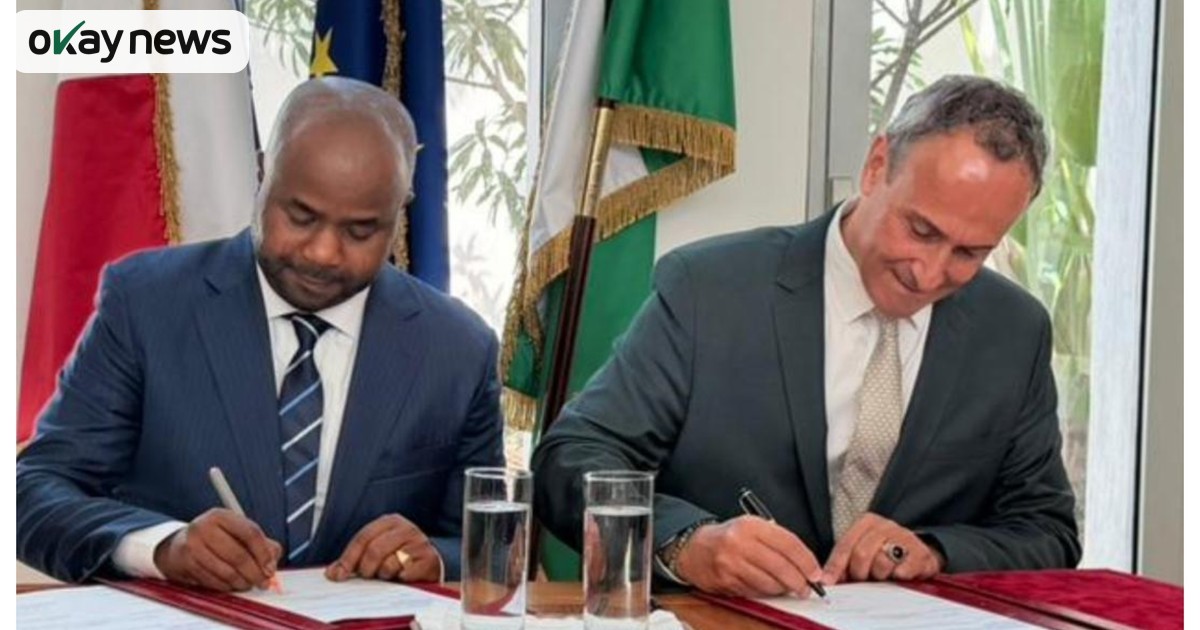
Okay News reports that the Federal Inland Revenue Service (FIRS) has clarified concerns over a recently signed Memorandum of Understanding (MoU) between Nigeria and France’s Direction Générale des Finances Publiques (DGFiP), emphasizing that the agreement does not compromise national data security.
In a statement, FIRS said, “We appreciate the public’s vigilance and patriotic concern; however, it is important to provide clarity.” The agency stressed that the MoU is a “standard, globally recognised cooperation framework focused solely on technical assistance and capacity building,” adding that it “does not grant France access to Nigerian taxpayer data, digital systems, or any element of our operational infrastructure.”
The statement further reassured that “all existing Nigerian laws on data protection, cybersecurity, and sovereignty remain fully applicable and strictly enforced,” noting that the Nigeria Revenue Service (NRS), which succeeds FIRS, “places the highest premium on national security and maintains rigorous standards for the protection of all taxpayer information.”
FIRS explained that agreements like this are common worldwide. “Similar MoUs are signed by tax administrations around the world to promote collaboration, knowledge exchange, and the adoption of global best practices,” the statement said. It highlighted the expertise of France’s DGFiP, describing it as “among the world’s most advanced tax authorities, with over a century of institutional experience and deep expertise in digital transformation, taxpayer services, governance, and public finance.” According to FIRS, the partnership is “advisory, non-intrusive, and entirely under Nigeria’s control.”
Addressing misconceptions about the MoU, FIRS said it does not replace local technology providers. “FIRS and the emerging NRS continue to work closely with Nigerian innovators such as NIBSS, Interswitch, PayStack, and Flutterwave,” the statement noted. “The MoU does not include the provision of technical services; it is limited to knowledge sharing, institutional strengthening, workforce development, policy support, and best-practice guidance.”
The agency also encouraged informed public discourse on tax reforms. “We welcome robust public engagement on tax reforms, but such conversations must reflect the actual content and purpose of the agreement,” FIRS stated, adding that the MoU “strengthens Nigeria’s sovereignty by helping to build a modern, capable, globally competitive tax administration, one firmly in command of its systems, data, and strategic direction.”
FIRS concluded by reaffirming its commitment to transparency, professionalism, and partnerships that advance Nigeria’s long-term economic development.