Abuja, Nigeria — The federal government of Nigeria has announced Thursday, March 19, 2026, and Friday, March 20, 2026, as public holidays to mark the Muslim festival of Eid-el-Fitr, the celebration that signals the end of the holy month of Ramadan.
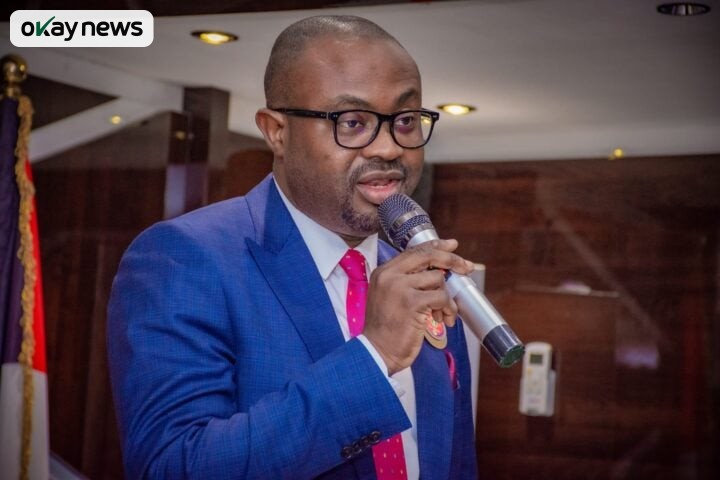
The announcement was made by Nigeria’s Minister of Interior, Olubunmi Tunji-Ojo, who spoke on behalf of the federal government of Nigeria. Eid-el-Fitr is one of the most important religious celebrations in Islam and comes after a month of fasting, prayer, and reflection observed by Muslims around the world.
According to an official statement issued on Tuesday, March 17, 2026, by the Permanent Secretary of the Federal Ministry of Interior, Magdalene Ajani, the minister congratulated Muslims in Nigeria and across the world for successfully completing the Ramadan fast.
Tunji-Ojo encouraged Muslim faithful to continue practising the virtues associated with the holy month, including compassion, generosity, patience, peace, and sacrifice. These values, he said, remain important for building stronger communities and promoting harmony across the country.
The minister also called on citizens across Nigeria to use the festive period as a time to pray for the continued peace, unity, and development of the nation. Nigeria is Africa’s most populous country and home to a large Muslim population, particularly in the northern regions, although Eid-el-Fitr is widely celebrated across the country.
Okay News reports that the declaration of public holidays allows Muslims and other residents to take part in prayers, family gatherings, and charitable activities that traditionally accompany the Eid celebration.
Tunji-Ojo further advised Nigerians to observe the festivities responsibly and to remember those who are less privileged during the celebrations. Acts of kindness and support for vulnerable people, he noted, reflect the spirit of the Eid season.
He added that the federal government of Nigeria remains committed to strengthening national unity and promoting peaceful coexistence among people of different religions and ethnic backgrounds.
Eid-el-Fitr prayers are usually held early in the morning at mosques and open prayer grounds across the country. The celebration is followed by visits to family members, sharing of meals, and community activities that bring people together after the month-long fast.
With the two-day public holiday, government offices, banks, and many businesses across Nigeria are expected to close temporarily while citizens observe the religious festival.