

By using this site, you agree to the Privacy Policy and Terms of Use.
Accept
Okay NewsOkay NewsOkay News
  • News
  • Politics
  • Business
  • Technology
  • Security
  • Entertainment
  • Sports
Reading: Nigeria Food Inflation Climbs Back to Double Digits
Font ResizerAa
Font ResizerAa
Okay NewsOkay News
Search
  • News
  • Politics
  • Business
  • Technology
  • Security
  • Entertainment
  • Sports
Follow US
  • About Us
  • Advertising
  • Contact
  • Careers
  • Team
2026 © Okay International Limited - All rights reserved
Business

Nigeria Food Inflation Climbs Back to Double Digits

By
Ogungbayi Feyisola Faesol
ByOgungbayi Feyisola Faesol
Faesol is a journalist at Okaynews.com, reporting on business, technology, and current events with clear, engaging, and timely coverage.
Follow:
March 16, 2026 - 4:28 pm
Share
Food Import
Food Import
SHARE

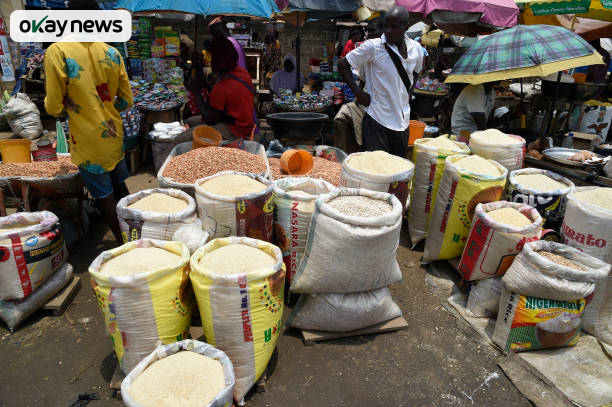
Abuja, Nigeria – Nigeria’s food inflation rate rose to 12.12 percent year-on-year in February 2026, up from 8.89 percent in January. This ended a brief single-digit streak after 128 months. The National Bureau of Statistics reported the jump, driven by higher prices in West Africa’s largest economy.

The month-on-month rise hit 4.69 percent. Key items like beans, cassava, yam flour, and crayfish led gains. Still, February’s rate sits 14.86 points below February 2025’s 26.98 percent.

Okay News reports the broader trend. The average annual food inflation for 12 months to February eased to 19.08 percent from 37.40 percent last year. This shows cooling over time despite short-term spikes.

State variations stood out. Kogi topped year-on-year rates at 26.91 percent, followed by Adamawa at 23.12 percent. Katsina saw the slowest rise at 5.09 percent. Bayelsa led monthly increases at 8.81 percent.

- Advertisement -

Headline inflation dipped slightly to 15.06 percent from 15.10 percent. Food and non-alcoholic beverages drove 6.03 points of that total. Core inflation eased to 15.88 percent year-on-year.

January’s drop marked the lowest in 174 months. February reversed course amid commodity pressures. Policymakers track supply chains for stability.

Consumers feel mixed relief. Annual moderation aids planning, but fresh rises hit budgets. Government eyes harvests and imports to tame costs.


Follow Okay News channel on WhatsApp
Add as a preferred source on Google
Follow Okay News on Instagram
- Advertisement -

TAGGED:Food Inflationprice trends
Share This Article
Facebook Pinterest Whatsapp Whatsapp Email Print
Previous Article Spotify Nigerian Artists Earn Over ₦60bn from Spotify in 2025 – Report
Next Article US Launches Forced Labor Trade Probe Targeting Nigeria

Stay Connected

FacebookLike
XFollow
InstagramFollow
TiktokFollow
WhatsAppFollow
- Advertisement -
- Advertisement -
Ad imageAd image
Okay NewsOkay News
2026 © Okay International Limited - All rights reserved
  • About Us
  • Advertising
  • Contact
  • Careers
  • Team
Welcome Back!

Sign in to your account

Username or Email Address
Password

Lost your password?

Continue with Facebook