Abuja, Nigeria – Nigeria’s federal government says it is rolling out targeted measures to tackle chronic gas shortages that are crippling electricity generation, as households and businesses across Africa’s most populous country continue to face unstable power supply.
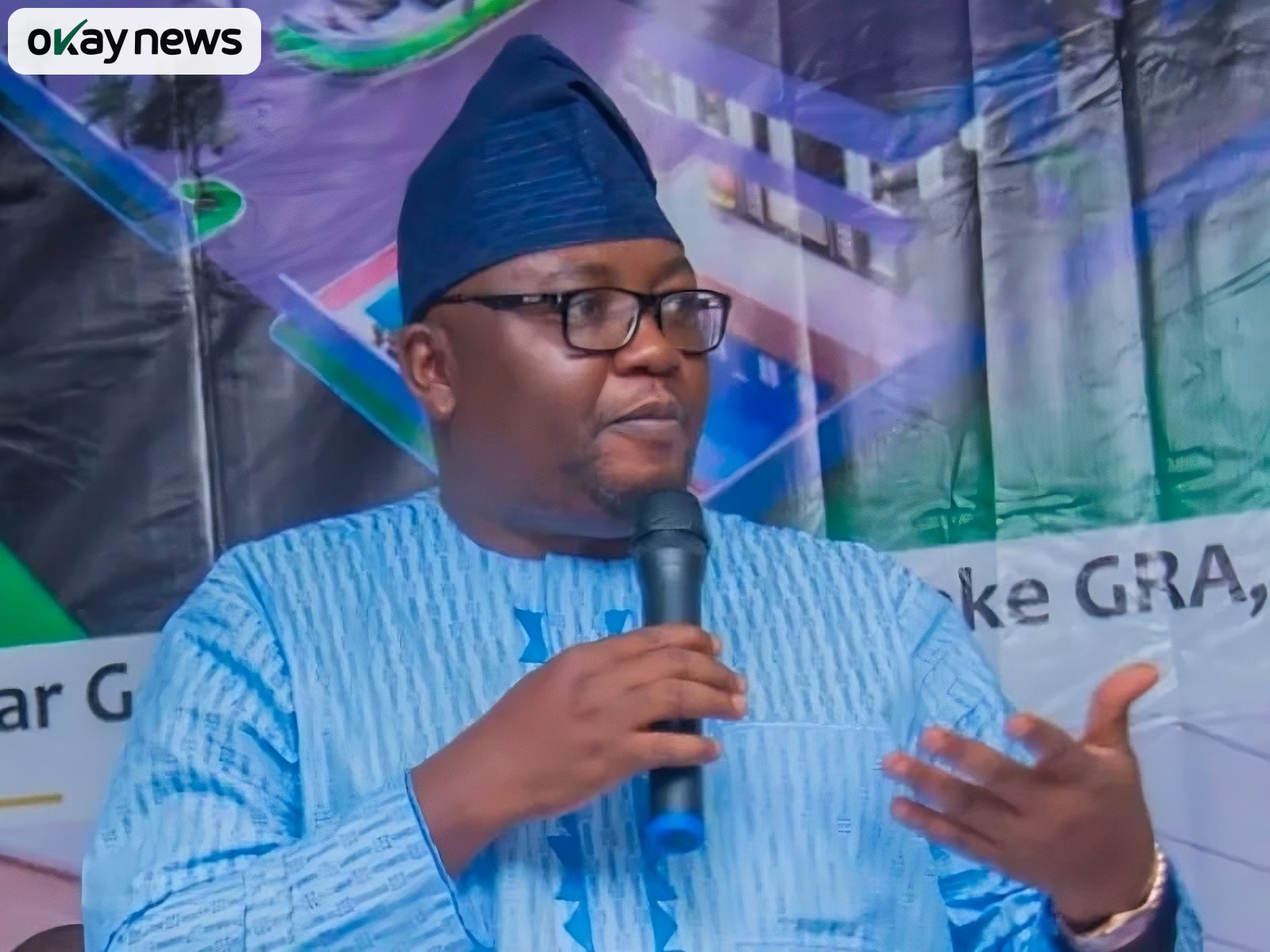
Okay News reports that Minister of Power Adebayo Adelabu said in Abuja that the government has begun interventions to stabilise gas deliveries to thermal power plants, which provide most of Nigeria’s electricity but have long struggled with inadequate fuel supply and weak coordination between the gas and power segments.
Adelabu explained that the reforms focus on closer alignment between gas producers and power operators, describing this link as essential to unlocking generation capacity and reducing frequent grid disturbances, and he tied the sector’s current economic strain to broader structural changes underway under President Bola Tinubu’s administration.
He said recent policy steps should gradually improve power availability for homes and companies, while urging Nigerians to remain patient as the reforms are implemented, adding that “concrete measures are being implemented to ensure more reliable and sustainable electricity for homes, businesses, and industries” and that the president’s initiatives are “beginning to take root” with benefits expected to become more visible in the coming period.
Industry data cited by officials show that roughly 68 per cent of power plants cannot run at optimal levels because of gas shortages and payment disputes across the value chain, leading to recurring drops in generation and reinforcing Nigeria’s long standing reputation for erratic electricity despite significant installed capacity.
The sector’s problems are deepened by a worsening debt overhang, with power generation companies said to be burdened by about 6.8 trillion naira in accumulated obligations since 2015, a figure that is reportedly growing by around 200 billion naira every month and has forced some operators to shut down plants or scale back operations.
Sources in the industry say around 60 per cent of amounts owed to generation companies remain unpaid to gas suppliers and transporters, choking liquidity across the chain and making suppliers increasingly reluctant to provide gas without firmer payment guarantees at a time when gas fired plants account for nearly 70 per cent of Nigeria’s electricity output.
Officials note that the federal government is examining financial tools to clear legacy arrears, including a proposed bond programme of up to 4 trillion naira to settle debts owed to generators and gas providers, although the plan has sparked debate about adding to public debt through a restructuring mechanism rather than cash repayments.
Some generation companies have also challenged elements of the verified debt numbers, arguing that certain official estimates do not fully capture outstanding obligations, a disagreement that underscores the complexity of designing a comprehensive settlement that all parties accept.
Nigeria has installed power capacity of more than 13,000 megawatts but consistently generates far less, leaving demand unmet and making resolution of gas supply shortages and financial bottlenecks an urgent priority if the country is to stabilise its grid, support industrial growth and reduce reliance on self generated power from diesel and petrol generators.