Nigeria’s top energy economists have warned that the country risks losing billions in oil and gas wealth if it fails to quickly monetise its hydrocarbon resources before global demand declines.
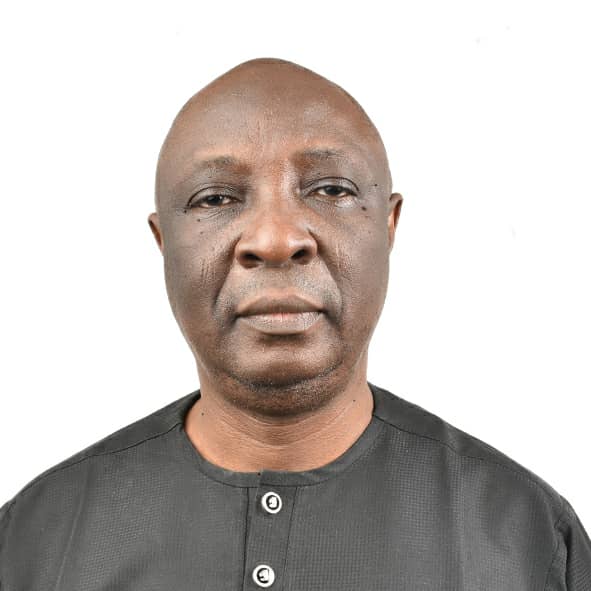
Speaking at the 18th Annual Conference of the Nigerian Association for Energy Economics and the International Association for Energy Economics in Abuja, former NES President, Prof. Adeola Adenikinju, said Nigeria must urgently balance the use of renewable and conventional energy to bridge its power gap.
He said over 87 million Nigerians still lack access to electricity despite the nation’s vast energy resources. “Nigeria ranks among the top oil and gas producers globally, yet remains the biggest importer of refined products. That is an unacceptable paradox,” he said.
Adenikinju warned that as the world transitions to low-carbon energy, countries that fail to act will be left with stranded assets. “Nigeria must aggressively exploit its oil and gas reserves before global demand peaks, while investing in solar, hydro, and wind energy,” he stated.
He highlighted that wars, geopolitical tensions, and the rapid growth of artificial intelligence are reshaping global energy markets. “The Ukraine war and the weaponisation of energy have disrupted decades of interdependence, forcing countries to rethink energy security,” he said.
Adenikinju urged the government to strengthen infrastructure, boost investor confidence, and expand access to affordable electricity. He added that ongoing reforms under the Petroleum Industry Act show promise but must move faster to deliver results.
IAEE President, Prof. Edmund Lewis, commended Nigeria’s leadership in energy policy and research, while Prof. Wunmi Iledare stressed that Africa must develop its own energy model rather than copy Europe’s approach.
“Africa’s energy future must reflect its realities,” Iledare said. “We must pursue prosperity built on balanced use of fossil fuels and renewables.”
The African Petroleum Producers Association Secretary General, Omar Faruk, said the International Energy Agency’s latest outlook confirms that fossil fuels will remain vital for decades. He urged African countries to use this period to strengthen local production and energy independence.