


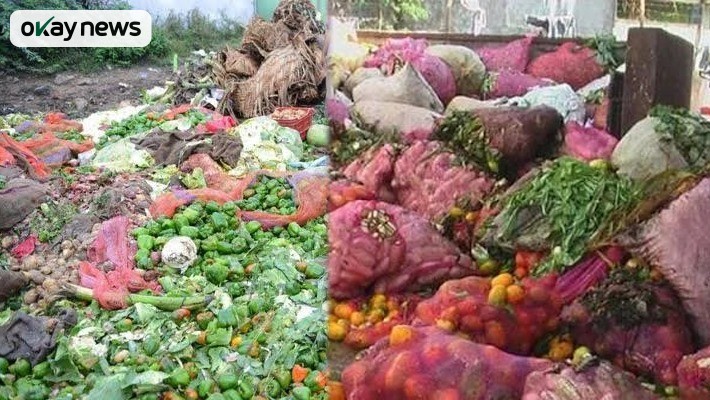
Lagos, Nigeria – Nigeria recorded between N3.5 trillion and N5 trillion in post-harvest losses in 2025, according to the Organisation for Technology Advancement of Cold Chain in West Africa (OTACCWA), highlighting the urgent need for cold chain infrastructure investment.
Okay News reports that OTACCWA President Alexander Isong made the disclosure in Lagos, attributing the losses to inefficiencies across major agricultural value chains. He said Nigeria lost an estimated 30 to 40 million metric tonnes of food across key value chains in 2025. The losses were concentrated in tomatoes, vegetables, fruits, dairy, meat, fish, and root crops due to weak cold chain systems.
Isong explained that farmers had already invested in land preparation, seedlings, fertiliser, labour, irrigation, and transport before the produce was lost. He stressed that such waste erodes income and national output, noting that post-harvest loss is not just an agricultural problem but an infrastructure and economic challenge. When such volumes are lost due to inadequate cold storage, poor logistics, and weak infrastructure, the country is effectively losing Gross Domestic Product that has already been created.
Nairametrics previously reported that Nigeria may be heading toward a severe food crisis in 2026 as farmers across the country warned of worsening conditions. Farmers cited escalating production costs, insecurity, and massive post-harvest losses as factors pushing many to consider abandoning agriculture. These earlier warnings align with OTACCWA’s latest disclosure, highlighting structural weaknesses in Nigeria’s agricultural value chain.
The Food and Agriculture Organization has warned that about 34.7 million Nigerians could face severe food insecurity during the next lean season from June to August 2026 if timely interventions are not implemented. The projected figure represents a significant portion of Nigeria’s population at risk. The latest disclosure adds to mounting evidence that without urgent investment in cold chain infrastructure and logistics systems, Nigeria’s food security challenges could intensify despite increased agricultural production efforts. Addressing post-harvest losses through improved cold chain systems is critical to reducing waste and enhancing food availability.


, highlighting the urgent need for cold chain infrastructure investment.)