

The Nigeria Centre for Disease Control (NCDC) has confirmed a notable drop in the number of Lassa fever infections across the country in 2025, although the disease continues to claim a worrying number of lives.
In its latest epidemiological report, the NCDC disclosed that suspected and confirmed cases have declined compared to the same period in 2024. However, the Case Fatality Rate (CFR) has climbed slightly, rising from 17.6 percent last year to 18.6 percent this year. According to the report, 145 deaths have been recorded so far.
The agency highlighted that infections reduced from 11 cases in epidemiological week 29 to just three in week 30, with the latest cases confined to Edo and Ondo States.
Cumulative data since January 2025 shows 825 confirmed infections and 155 deaths across 21 states and 105 local government areas. The disease burden is largely concentrated in five states: Ondo (32 percent), Bauchi (23 percent), Edo (17 percent), Taraba (14 percent), and Ebonyi (3 percent).
The NCDC report noted that individuals aged between 21 and 30 years have been the most affected, with a male-to-female ratio of 1 to 0.8.
Despite the reduction in infections, the centre expressed concern over persistent challenges such as late presentation at hospitals, the high cost of treatment, poor environmental hygiene, and insufficient awareness in high-burden areas.
Response measures implemented last week included training healthcare professionals in clinical management, running risk communication campaigns, initiating rodent control measures, distributing thermometers for monitoring contacts, and deploying rapid response teams to affected regions.
The NCDC urged citizens to take preventive steps such as maintaining clean surroundings, storing food properly, and seeking prompt medical attention to reduce fatalities.
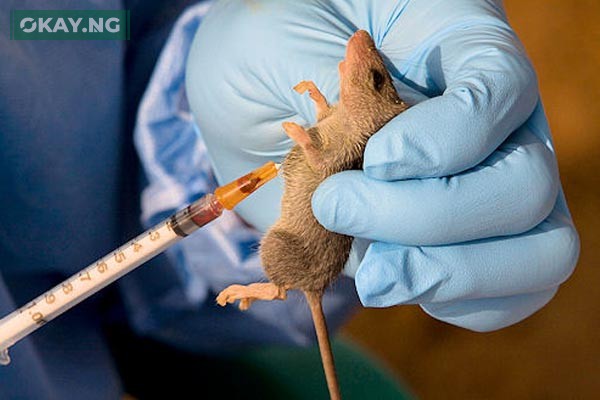
Lassa fever, a viral haemorrhagic disease, is primarily transmitted through contact with the urine or feces of infected rats, though human-to-human transmission through body fluids, contaminated materials, or medical equipment can also occur. Symptoms include fever, sore throat, vomiting, headache, muscle aches, and, in severe cases, bleeding.
okaynews.com reports that experts believe consistent community engagement and sustained preventive measures remain the key to reducing the disease’s impact in Nigeria.