



Abuja, Nigeria – Nigeria’s spending on imported transport equipment and spare parts reached N6.54 trillion ($4.3 billion USD) in 2025. The figures from the National Bureau of Statistics show a steady increase over the past four years.
Okay News reports that the import bill reflects the country’s dependence on foreign vehicles, machinery, and spare parts. These imports support mobility, logistics, and industrial operations across Africa’s largest economy.
Transport equipment imports rose from N1.88 trillion in 2022 to N3.15 trillion in 2023, then to N4.77 trillion in 2024. The 2025 figure of N6.54 trillion continues this upward trend.
Passenger vehicles, industrial machinery, and spare parts constitute the bulk of imports. The recent rise in passenger car imports is driven less by increased volumes and more by exchange-rate effects. The weaker naira raises the local currency cost of imported vehicles.
Demand for vehicles has remained resilient despite climbing prices. This includes household use, commercial transport, and ride-hailing fleets. The data highlights persistent reliance on imported transport solutions despite domestic production initiatives.
Passenger motor cars accounted for N1.58 trillion in 2025, rising from N1.26 trillion in 2024. Other transport equipment imports reached N3.39 trillion, with industrial machinery dominating at N2.66 trillion. Vehicle parts imports totaled N1.57 trillion in 2025, up from N1.33 trillion in 2024.
Nigeria recorded passenger car imports of N527 billion in the third quarter of 2025 alone. This is more than double the N254 billion recorded in the same period in 2024.
The country remains heavily dependent on foreign markets for vehicles. The United States, Dubai, and South Africa serve as main import hubs. Used vehicles worth N234.7 billion were imported in one quarter, with N184 billion coming from the United States.
Economists warn that the surge increases pressure on Nigeria’s foreign exchange reserves. It also highlights slow local industrialisation. Analysts say expanding domestic automobile assembly plants and strengthening local supply chains could reduce import dependence.
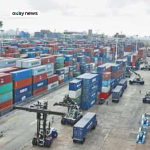

 in 2025.)