Nigeria’s government is advancing a long-term digital strategy built on self-reliance, secure infrastructure, and regulatory stability. The agenda aligns with President Bola Ahmed Tinubu’s economic reform plan, placing digital systems at the center of national development.
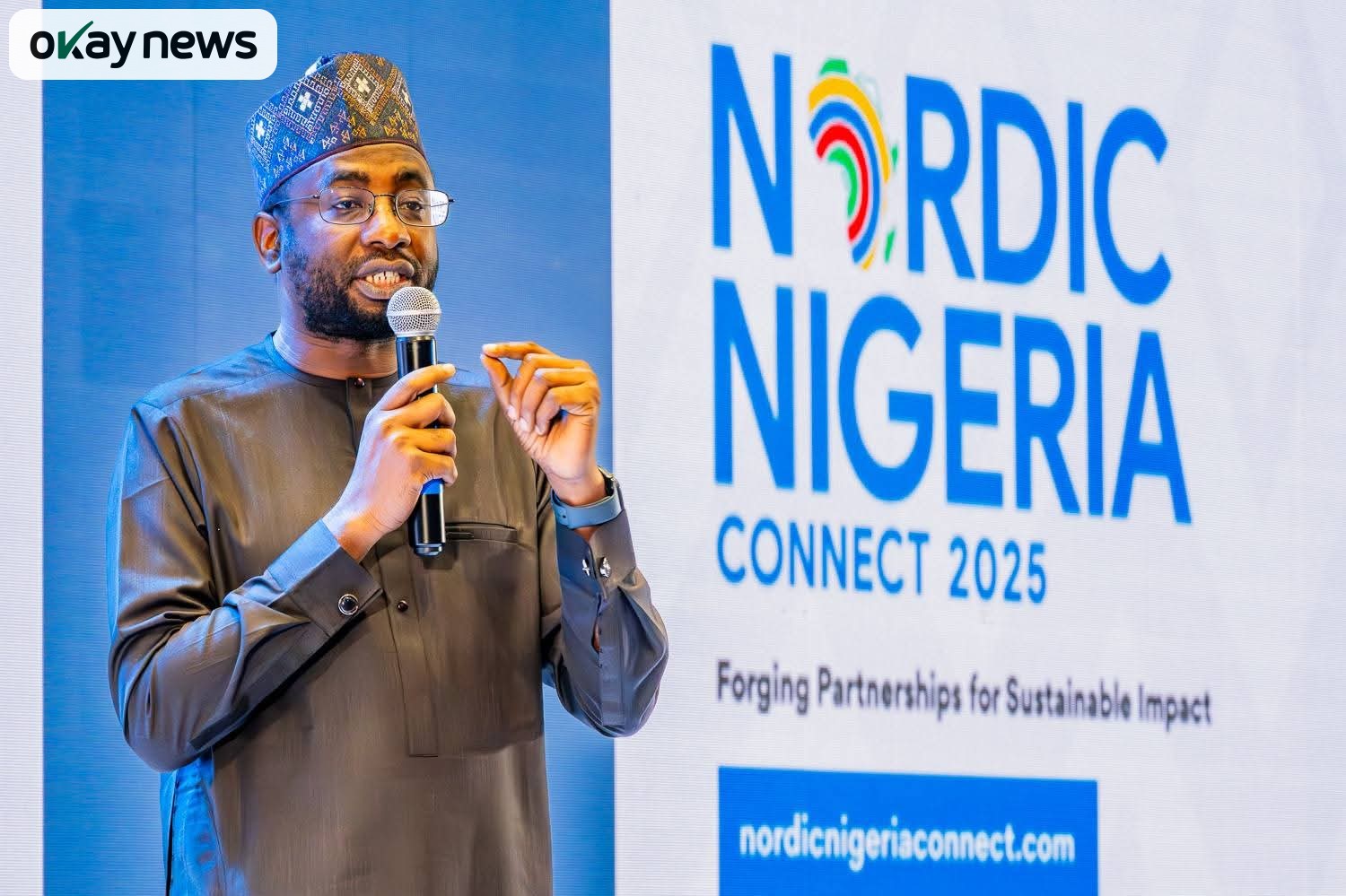
NITDA Director General Kashifu Inuwa outlined the strategy in Lagos during the Nordic Nigeria Connect 2025 forum. He stated that the goal is not rapid infrastructure rollout alone, but a redesign of economic and governance systems to ensure resilience, efficiency, and local capacity.
The plan is structured around a two-layer architecture. The Shared Digital Backbone covers physical assets such as terrestrial fibre, subsea links, data centers, and sovereign cloud services for secure data retention. The Operational Backbone delivers digital public infrastructure including digital identity, payment rails, and interoperable data exchange systems.
Inuwa referenced a recent Amazon Web Services outage that disrupted platforms in parts of Africa. He described it as evidence that foreign cloud dependence undermines business continuity. He said digital sovereignty requires domestic capability.
Policy reforms form the first pillar of implementation. The Startup Act and Data Protection Act are intended to improve investor confidence and consumer protection while enabling innovation in emerging fields.
Human capital development is the second pillar. National Digital Literacy Framework initiatives and the 3MTT programme are focused on producing locally trained talent to sustain technology deployment.
The final pillar centers on partnerships. Inuwa said federal strategy now prioritises long-term cooperation and co-development in areas such as artificial intelligence. He identified Nordic countries as useful collaborators due to their technology strengths and the demand they have for technical talent.
He listed projects already underway. Project BRIDGE targets a national fibre network of 125,000 kilometres. The Sovereign Cloud Initiative aims to retain critical data under Nigerian jurisdiction. The Nigeria Stack is expanding national identity and secure payments. The OneGOV system will consolidate public services under a single platform. AI research continues at NCAIR with domestic language model development.
Inuwa said Nigeria’s digital transformation will depend on secure infrastructure, trained professionals, and international cooperation built on equal value exchange.