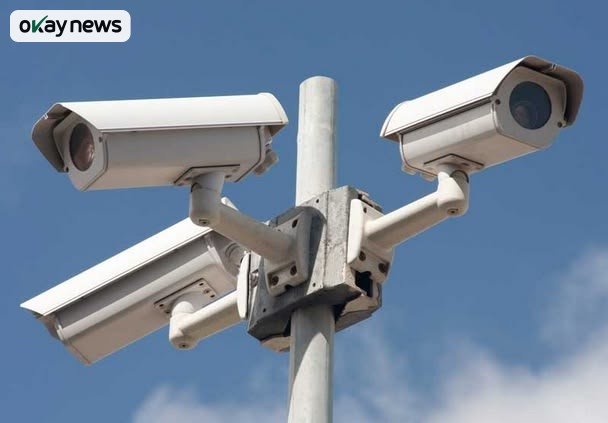
Nairobi, Kenya – Nigeria leads Africa’s artificial intelligence surveillance spending with over $470 million on facial recognition and automatic number plate recognition systems, representing the largest share of the continent’s minimum $2.1 billion investment across 11 countries, per Institute of Development Studies’ March 2026 report.
Okay News details Nigeria’s 10,000 smart cameras topping Mauritius ($456M, 4,143 cameras), Kenya ($219M, 2,000), Zambia ($210M, 1,600), Uganda ($189M, 5,000), Senegal ($167M, 500), Mozambique ($147M, 450), and Egypt ($58M, 6,000), with Chinese firms dominating supply via soft loans while actual totals likely exceed estimates due to secrecy.
Despite 5-10 years of deployment averaging $240M per nation and 35,542 cameras continent-wide, the study found scant evidence of crime reduction, terrorism prevention, or surveillance-aided prosecutions, highlighting absent legal frameworks balancing security with human rights protections.
Report demands dedicated smart surveillance laws mandating court warrants, independent oversight bodies beyond government/police/judiciary control, transparency reporting, and remedies for abuses to build public trust amid concerns over enforcement gaps.
Nigerians question tech efficacy as Peter Obi criticized insecurity handling despite tracking tools, while Minister Bosun Tijani admitted criminals evade NIN-SIM linkage via unconventional methods outside standard telecom networks despite mandatory biometric registration.
The massive spend yields questionable security returns, fueling debates on oversight, rights safeguards, and genuine crime-fighting impact versus surveillance state expansion in Africa’s digital security race.