


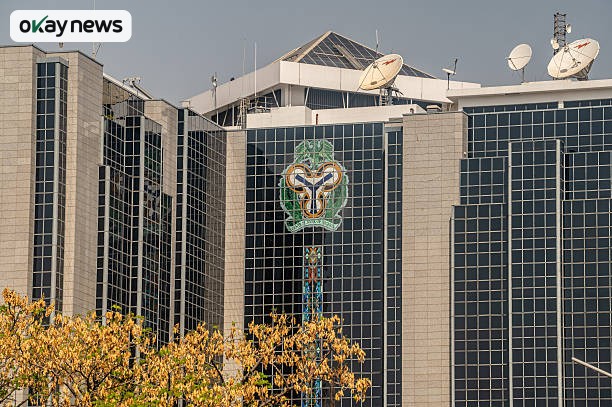
Lagos, Nigeria – Nigeria’s deposit money banks have placed nearly N7 trillion ($4.6 billion USD) in excess liquidity at the Central Bank of Nigeria’s Standing Deposit Facility as of March 12, 2026. The development suggests a persistence of cash surplus in the banking system.
Okay News reports that data released by the apex bank showed banks deposited about N6.96 trillion on Wednesday, March 11, before easing slightly to N6.69 trillion on March 12. This reflects continued strong liquidity inflows, with banks opting to earn overnight interest rather than immediately expand lending.
The figures marked a significant rise from N5.27 trillion recorded on Tuesday, March 10, and N5.20 trillion on March 9. The surge coincided with substantial repayments of maturing government securities, which injected about N1.5 trillion into the banking system.
Primary market repayments rose to about N711.55 billion on March 12, significantly higher than the N481.61 million recorded on March 11. These repayments represent maturing Treasury bills or Federal Government bonds returning principal funds to investors.
While repayments injected liquidity, fresh government borrowing helped absorb part of the surplus. The Central Bank recorded primary market sales of about N933.92 billion on both March 11 and March 12, reflecting settlements from recent Treasury bill auctions.
Despite these absorption efforts, liquidity conditions remained elevated. Banks continued placing substantial funds at the deposit facility even after participating in government securities auctions.
Opening balances of banks with the Central Bank showed a gradual decline, falling from N113.15 billion on March 10 to N77.23 billion on March 12. This suggests liquidity was being redeployed into government securities or absorbed through the deposit facility.
The Central Bank has intensified efforts to manage excess liquidity through monetary tools including the Standing Deposit Facility, Open Market Operations, and Treasury bills auctions. In January 2026 alone, the bank withdrew over N15 trillion from the banking system through these mechanisms.
Although banks continue holding large volumes of idle cash at the deposit facility, the Central Bank’s combined use of these tools with overnight interest rates of about 22.2% remains central to moderating inflationary pressure and stabilizing short-term interest rates.


 in excess liquidity at the Central Bank of Nigeria's Standing Deposit Facility as of March 12, 2026.)