


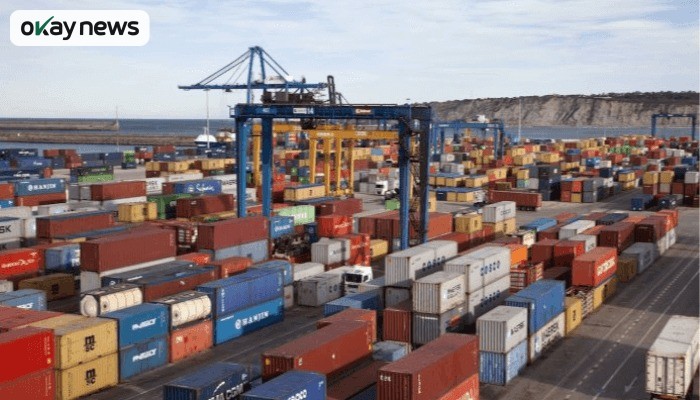
Lagos, Nigeria – The Nigerian Ports Authority (NPA) aims to generate N1.489 trillion in internally generated revenue (IGR) for the 2026 fiscal year, signalling a push to strengthen earnings from port operations and maritime services. The figure was disclosed by NPA Managing Director Dr. Abubakar Dantsoho during the agency’s 2026 budget defence before the Senate Committee on Marine Transport.
Okay News reports that the 2026 target represents an increase of N21 billion over the N1.468 trillion projection for 2025, which the authority actually exceeded by bringing in N1.97 trillion. Dr. Dantsoho said the proposed budget allocates N945 billion to capital projects, N447.5 billion to operating expenses, and N90.6 billion to remittances into the Consolidated Revenue Fund, reflecting a focus on infrastructure upgrades and efficiency rather than simple cost‑cutting.
Port modernisation is central to the revenue plan. The NPA is preparing to overhaul Apapa and Tin Can Island ports, two ageing facilities that have become critical bottlenecks for trade. Apapa is about 100 years old and Tin Can Island has operated for over 50 years, so planned upgrades are intended to increase capacity, reduce congestion, and speed up cargo handling. Groundbreaking for the rehabilitation projects is expected within the next two to three weeks.
The NPA channels all its revenue into the Treasury Single Account at the Central Bank of Nigeria and does not retain funds, so it must request allocations for major projects. The agency says these reforms are essential to keep Nigerian ports competitive amid rising cargo volumes. Recent federal efforts, including a £746 million financing deal with the United Kingdom, support the same goals by funding advanced cargo‑handling systems and digitalisation at Apapa and Tin Can Island.
Data from 2025 show that Lekki Deep Sea Port handled 40.6% of total cargo, while overall port throughput climbed 24.8% to 129.3 million metric tonnes and container traffic rose 25.7% to over 2.1 million TEUs. Apapa and Tin Can Island remain key call‑points for vessels, but imports and liquid‑bulk cargo dominate the flows. The N1.489 trillion target underscores how much Nigeria is banking on modern ports to drive trade and expand government revenue.


 aims to generate N1.489 trillion in internally generated revenue (IGR) for the 2026 fiscal year, signalling a push to strengthen earnings from port operations and maritime services.)