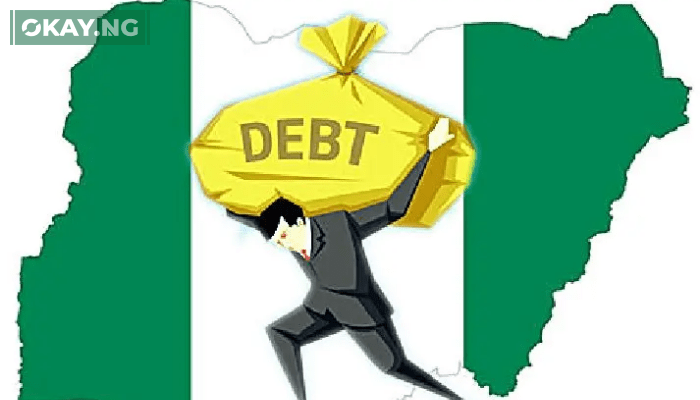
The weight of Nigeria public debt has once again increased, reaching a staggering N142 trillion by the end of September 2024. This represents a concerning 5.97% jump from the previous quarter, primarily fuelled by the relentless depreciation of the Naira, according to recent data released by the Debt Management Office (DMO).
“The spike reflects the significant impact of exchange rate depreciation on external borrowings when converted to naira terms,” the DMO report stated. Indeed, with the Naira weakening against the US Dollar from N1,470.19 in June to N1,601.03 in September, the burden of Nigeria’s foreign debt, now amounting to a staggering N68.88 trillion ($43 billion), has become increasingly heavy. This figure constitutes a substantial 48.4% of the total debt stock.
While the government has leaned heavily on domestic borrowing, accounting for 51.6% of the total debt, the rising cost of servicing external obligations amidst a volatile currency market remains a major concern.
Although the current public debt-to-GDP ratio of approximately 55% falls slightly below the International Monetary Fund’s (IMF) benchmark of 60% for emerging market economies, the nation’s precarious revenue situation and the persistent volatility of the Naira pose significant risks. These factors could easily escalate debt levels and further strain the already overburdened economy.
The DMO’s self-imposed public debt ceiling of 40%, as outlined in its Medium-Term Debt Management Strategy, has been consistently breached. Despite this, the government continues to borrow, raising concerns about the long-term implications for the nation’s fiscal health.
Read Also; Illicit Demand, Not Supply, Cripples Naira – Taiwo Oyedele
While recent central bank interventions have somewhat stabilized the exchange rate, the government is looking towards proposed tax reforms to bolster revenue generation and potentially reduce the need for further borrowing.
Read Also: Nigeria Set to Overhaul Tax System in July, Aiming to Boost Revenue and Stabilize Naira
The ongoing economic challenges undoubtedly have a significant impact on the lives of ordinary Nigerians. The rising cost of living, fuelled in part by the depreciation of the Naira and the burden of debt, is a pressing concern for many families.