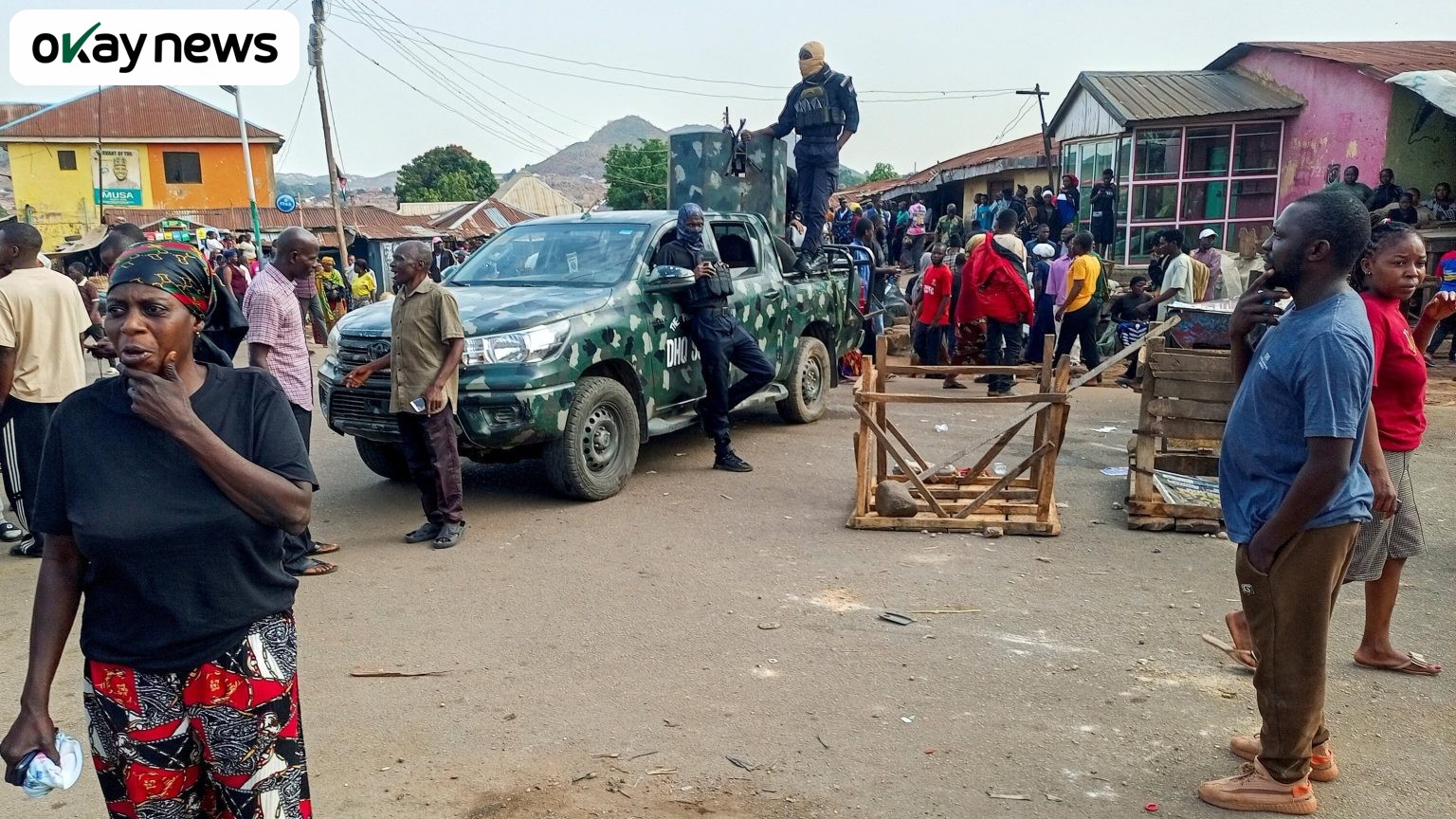
LAGOS, Nigeria – The West African nation of Nigeria experienced a severe wave of violence during the Christian Holy Week in 2026. At least 147 people were killed in a series of coordinated attacks, communal clashes, terrorist raids, and criminal activities. The violence occurred across multiple states between Sunday, March 29, 2026, and Sunday, April 5, 2026. As of the time of this report on Saturday, April 11, 2026, at 7:32 AM West Africa Time (WAT, GMT+1), citizens remain deeply concerned about national security.
The affected regions span the country, including Plateau State, Benue State, Kaduna State, Nasarawa State, Niger State, Borno State, Zamfara State, Cross River State, Akwa Ibom State, and Imo State. Okay News reports that these incidents have sparked outrage among Nigerian citizens, religious leaders, and civil society groups, who are calling for urgent security reforms.
The violence began on Sunday, March 29, 2026, which coincided with Palm Sunday and the 74th birthday of the President of Nigeria, Bola Tinubu. On that day, 41 people died in Plateau State and Kaduna State. In the Angwa Rukuba community of Plateau State, 28 people were killed. In Kaduna State, 13 wedding guests were shot in Kahir village. Additionally, a domestic dispute in Cross River State led to one death, while a clash between soldiers from the Nigerian Army and local youths in Akwa Ibom State left two people dead and several others injured.
The violence continued into Monday, March 30, 2026. Members of the Boko Haram terrorist group attacked Kaunkan village in Borno State in northeastern Nigeria, killing nine people, including a local hunter commander. In northwestern Zamfara State, armed bandits attacked a commercial bus, killing one passenger and kidnapping 15 others.
On Tuesday, March 31, 2026, security forces neutralized three terrorists in Borno State and two explosive specialists from the Indigenous People of Biafra (IPOB) and its armed wing, the Eastern Security Network (ESN), in southeastern Imo State. However, on that same day, coordinated night attacks in Niger State left at least 20 residents dead and many others displaced from their homes.
Clashes continued on Wednesday, April 1, 2026, when armed men attacked the Herpang community in Plateau State, killing two people. Thursday, April 2, 2026, was one of the deadliest days, as clashes between native residents and Fulani herdsmen in Nasarawa State resulted in at least 20 deaths. By Saturday, April 4, 2026, terrorists killed four police officers and a local hunter in Borno State, while three people were shot dead in Plateau State.
The attacks reached a peak on Sunday, April 5, 2026, which was Easter Sunday, with 24 deaths in Benue State and Kaduna State. In Benue State, suspected herders killed 17 residents in the Agene community. In Kaduna State, terrorists attacked worshippers at two local churches, killing seven people and kidnapping several others.
The President of Nigeria, Bola Tinubu, condemned the killings. Through his Special Adviser on Information, the President stated: “No community should live in fear during a sacred period of worship. We will not relent until these enemies of peace are crushed.”
The Nigerian Army and the Nigeria Police Force stated that nationwide operations are ongoing. However, a senior military official noted that “the asymmetric nature of the threats and vast ungoverned spaces” present significant challenges.
The Christian Association of Nigeria (CAN), the primary umbrella body for Christians in the country, called the Easter attacks “a direct assault on faith and humanity,” and urged the Nigerian government to declare a state of emergency regarding national security. A security analyst summarized the crisis, stating: “What we are seeing is a dangerous convergence of terrorism, banditry and communal conflicts. Without coordinated intelligence and local policing, the cycle will continue.” With an average of 21 deaths per day over the seven days, there is growing fear regarding the security situation in Nigeria.